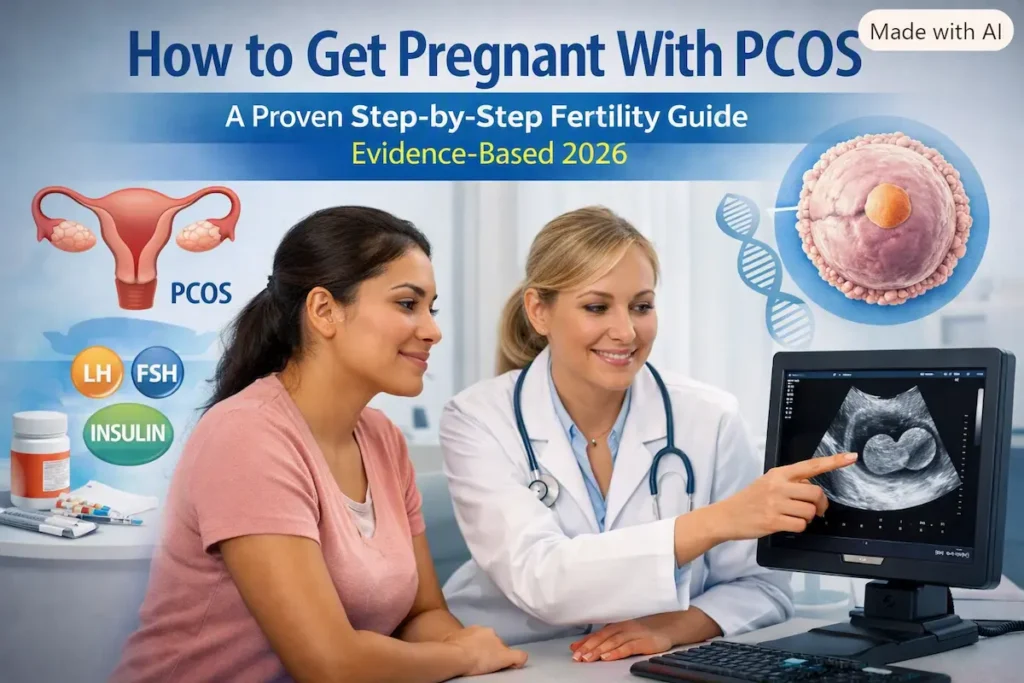

Key Takeaways
- PCOS is the most common cause of anovulatory infertility worldwide but it is also one of the most treatable. The majority of women with PCOS who seek appropriate care do conceive successfully.
- The fertility journey with PCOS has a clear, evidence-based sequence: lifestyle optimisation first, then targeted ovulation support, then pharmacological ovulation induction, then assisted reproduction. Most women do not need to reach the final stage.
- Losing just 5 to 10% of body weight (where applicable) has been shown to restore spontaneous ovulation in many women with PCOS without any medication.
- Letrozole is now the international first-line pharmacological treatment for ovulation induction in PCOS, producing an 18% greater ovulation rate than clomiphene in the largest 2026 meta-analysis to date (32 RCTs, 2,937 patients).
- Metformin improves ovulation, pregnancy, and live birth rates compared to placebo and remains a valuable option, particularly in combination with ovulation-inducing agents in resistant cases.
- Myo-inositol improves metabolic markers and ovarian function but is not recommended as a stand-alone primary fertility treatment under the current 2023 International PCOS Guidelines. It is most valuable as part of a broader approach.
- IVF is effective for women who do not respond to oral ovulation induction, with live birth rates per cycle reaching approximately 40 to 42% in women with PCOS under 35.
- Preconception folic acid (400 to 800 mcg per day) is recommended for all women with PCOS trying to conceive, ideally starting three months before.
- Florida women with PCOS have access to excellent reproductive care in the Tampa Bay area. Dr. Mehwish Saif’s St. Petersburg practice provides comprehensive preconception evaluation and personalised management ultimately the answer of how to get pregnant with PCOS.
Introduction
If you have PCOS and want to become pregnant, the first thing you need to know is this: PCOS is the most common cause of anovulatory infertility and it is also one of the most responsive conditions to treatment.
That is not a hollow reassurance. It is a clinical reality supported by decades of research and reflected in the international guidelines that govern how gynaecologists and reproductive endocrinologists manage PCOS-related infertility worldwide. The vast majority of women with PCOS who seek appropriate clinical care do conceive. The journey simply looks different to the one that most women imagine when they first receive a PCOS diagnosis.
The difficulty is knowing where to start. The information available online is enormous, contradictory, and frequently not aligned with current evidence. It ranges from “drink spearmint tea and it will happen” to “you will need IVF.” Neither of these is accurate for most women.
This guide follows the actual clinical sequence that the 2023 International Evidence-Based PCOS Guidelines recommend: starting with lifestyle and nutrition, progressing through targeted support, and moving to medical ovulation induction and assisted reproduction only when each earlier stage has not achieved the desired outcome. The evidence behind each step is clearly cited, the realistic success rates are given honestly, and the practical actions are specific enough to begin today to resolve the issue how to get pregnant with PCOS.
Before reading this guide, if you have not yet established your foundational PCOS nutrition approach, start with our 7-Day PCOS Meal Plan for Beginners. If you are uncertain how stress is affecting your cycle, which it may be significantly, our guide on PCOS and Stress: How Cortisol Is Wrecking Your Hormones explains the mechanisms in detail. These two foundations underpin everything in this article.
How to get pregnant with PCOS?
Can You Get Pregnant With PCOS? What the Evidence Actually Says
Yes and with a higher success rate than many women with PCOS expect when they first receive their diagnosis. Irregular periods and trouble conceiving are classic PCOS signs. Use this free checklist to see if you have other PCOS symptoms too.
PCOS causes infertility primarily through anovulation: the ovaries do not release eggs reliably, which means conception cannot occur without a target. But anovulation is not the same as having no eggs. Women with PCOS typically have a greater-than-normal number of antral follicles in their ovaries, which is part of what gives polycystic ovaries their characteristic appearance on ultrasound. The challenge is not egg quantity but the hormonal disruption that prevents those follicles from maturing and releasing an egg.
When that hormonal disruption is addressed, whether through lifestyle changes, medication, or assisted reproduction, ovulation can be restored and conception becomes possible. If you are struggling with how to get pregnant with PCOS and blood sugar is problematic meanwhile than go to 25 Best Snacks for PCOS that won’t spike your blood sugar.
Across studies, the broad picture is encouraging:
- Many women with PCOS who do not ovulate regularly begin ovulating spontaneously after lifestyle modifications alone
- Oral ovulation induction with letrozole achieves an ovulation rate significantly higher than clomiphene in the largest 2026 meta-analyses, with cumulative pregnancy rates over multiple cycles reaching 40 to 50% in many studies
- For women who proceed to IVF, live birth rates per cycle are approximately 40 to 42% in women with PCOS under 35, which is comparable to or slightly better than women without PCOS at the same age
The timeline varies. Some women with PCOS conceive within months of targeted lifestyle changes. Others need pharmacological support. A smaller number require assisted reproduction. But the outcome for women who engage with appropriate clinical care is generally positive and finds the way out for how to get pregnant with PCOS.
💡 Expert Insight from Dr. Mehwish Saif If you have PCOS and are planning to conceive within the next 12 months, now is the time to seek a preconception evaluation and not when conception has been unsuccessful for a year. Starting with a comprehensive hormonal and metabolic assessment including fasting insulin, HOMA-IR, full thyroid panel, and 25-hydroxyvitamin D gives your clinical team the information they need to support you proactively rather than reactively. My awareness in St. Petersburg, FL offers exactly this kind of comprehensive preconception assessment for women across Pinellas and Hillsborough Counties to cope with a mindset how to get pregnant with PCOS.
Why PCOS Makes Conception Harder: The Biology Explained
Understanding the mechanism behind PCOS-related infertility makes each treatment step make sense and helps you advocate for yourself in clinical consultations.
Anovulation: The Core Problem of How to get pregnant with PCOS
In a typical menstrual cycle, the hypothalamus releases gonadotropin-releasing hormone (GnRH) in a pulsatile rhythm. This triggers the pituitary to release FSH (follicle-stimulating hormone) and LH (luteinising hormone). FSH stimulates the growth of ovarian follicles. LH triggers the release of the mature egg, which is ovulation. In PCOS, this rhythm is disrupted. LH pulses are too frequent and too large, FSH is relatively suppressed, and the follicles develop partially but cannot complete their maturation or ovulate. Without ovulation, there is no egg to fertilise.
Insulin Resistance Amplifies the Problem
Up to 70% of women with PCOS have insulin resistance. Elevated insulin stimulates the ovaries to produce excess androgens including testosterone and androstenedione, which further disrupts follicular development and prevents the hormonal cascade needed for ovulation. This is why interventions that improve insulin sensitivity, from dietary changes to metformin to inositol, can restore ovulation even without directly targeting the ovaries themselves.
Androgen Excess Impairs Egg Quality
Elevated testosterone affects the quality of the developing egg and the follicular environment. While PCOS does not reduce egg quantity, the quality of eggs in a high-androgen environment may be compromised. This is relevant to miscarriage risk and IVF outcomes and is another reason why pre-conception androgen reduction through diet, lifestyle, and targeted support is clinically meaningful before attempting conception.
🔬 Research Summary: 2026 Evidence A 2025 systematic review published in Frontiers in Endocrinology confirmed the interplay between adipose tissue, androgens, and insulin resistance in PCOS, describing how dysfunctional fat tissue, particularly visceral fat, exacerbates ovarian androgen overproduction by intensifying insulin resistance and chronic inflammation. This bidirectional relationship means that improving metabolic health before conception addresses multiple fertility barriers simultaneously, which is precisely why lifestyle optimisation is the starting point in current international clinical guidelines for 2026.
Step 1: Optimise Your Lifestyle and Nutrition First
This is where every woman with PCOS who wants to conceive should begin. Not because it is the conservative option but because it is the most evidence-supported one. The 2023 International Evidence-Based PCOS Guidelines, which remain the authoritative reference for clinicians globally in 2026, explicitly state that lifestyle optimisation is the first-line intervention for improving fertility in women with PCOS.
The 5 to 10% Weight Loss Target
If you have a BMI above 25, achieving a 5 to 10% reduction in body weight before attempting conception is one of the most clinically meaningful actions you can take. Research has consistently shown that this level of weight reduction, which is not dramatic or extreme, is associated with the restoration of spontaneous ovulation in many women with PCOS, improvement in insulin sensitivity, reduction in androgen levels, and improved endometrial receptivity.
One prospective study found that a lifestyle-change group who lost an average of 5% of body weight before starting ovulation-induction treatment had significantly higher conception success rates than women who went directly to treatment without lifestyle optimisation first.
The PCOS Fertility Diet
No single diet has been proven in isolation to directly improve pregnancy rates in PCOS. However, the dietary pattern consistently supported by evidence for improving the hormonal and metabolic environment that underlies PCOS infertility includes:
- Low-glycaemic carbohydrates: sweet potato, oats, quinoa, legumes, and non-starchy vegetables. These reduce post-meal insulin spikes and lower the androgenic drive that prevents ovulation.
- High protein at every meal: 25 to 35 grams per meal. Protein stabilises blood glucose, reduces insulin demand, and supports satiety. Aim for eggs, Greek yogurt, fish, poultry, and legumes.
- Anti-inflammatory fats: omega-3 rich fish such as salmon, sardines, and mackerel, along with olive oil and avocado. These reduce the systemic inflammation that impairs follicular development.
- Minimal ultra-processed food and refined sugar: these drive the insulin spikes and inflammatory responses most damaging to ovarian function in PCOS.
For a structured weekly implementation, our PCOS Insulin Resistance Diet Guide provides the detailed framework. Our PCOS Grocery List covers exactly which foods to buy and prioritise week by week.
Exercise for Fertility With PCOS
The 2023 International PCOS Guidelines, which remain the clinical standard in 2026, recommend at least 150 minutes of moderate-intensity physical activity per week for women with PCOS. For fertility specifically, structured exercise has been shown to improve ovulation frequency and menstrual regularity independently of weight loss, meaning even women who do not lose weight see measurable hormonal benefits from consistent exercise.
A study from Italy that separated the effects of exercise from dietary changes found that a structured exercise programme in anovulatory PCOS women produced a higher rate of spontaneous ovulation and a nearly statistically significant increase in pregnancy rate compared to diet alone. If you are struggling with how to get pregnant with PCOS and blood sugar is problematic meanwhile than go to 25 Best Snacks for PCOS that won’t spike your blood sugar.
Practical guidance: combine two to three resistance training sessions with two to three moderate cardio sessions weekly. Resistance training improves insulin sensitivity through muscle-based glucose uptake. Moderate cardio through walking, swimming, or cycling reduces inflammation and supports weight management without the cortisol penalty of prolonged high-intensity exercise. For women in Florida, morning sessions before 8am are essential during summer months to avoid the cortisol-elevating effect of intense heat, a factor discussed in depth in our PCOS and Stress Guide.
Managing Stress Actively
Cortisol suppresses the LH pulsatility that triggers ovulation. For women with PCOS, chronic stress is a genuine fertility barrier and not a metaphor. Mindfulness-based stress reduction, gentle yoga, consistent sleep schedules, and breathwork all have published evidence for improving hormonal markers relevant to ovulation. See our PCOS and Stress: How Cortisol Is Wrecking Your Hormones for the full clinical detail.
⚠️ Common MistakeMistake: Skipping lifestyle optimisation and going directly to fertility medication, assuming it will be faster. Better approach: Lifestyle changes address the root hormonal drivers of PCOS infertility. Women who optimise metabolic health first respond better to ovulation-induction medication when it is needed, require lower doses, have better egg quality, and have improved endometrial environments for implantation. Three to six months of targeted lifestyle effort before medical intervention is not delay. It is preparation that improves outcomes at every subsequent stage.
Step 2: Understand and Track Your Cycle
If you have PCOS and irregular cycles, tracking ovulation is more complex than it is for women with regular 28-day cycles but it is still essential and it is achievable.
Basal Body Temperature (BBT) Charting
Taking your temperature each morning before getting out of bed, at the same time each day, with a basal thermometer that measures to two decimal places, reveals the slight but consistent temperature rise that follows ovulation. In women with PCOS, cycles may be 35, 45, or even 60 or more days, but ovulation, when it occurs, still produces this temperature shift. Charting over three to four months reveals your personal ovulation pattern, confirms whether you are ovulating at all, and helps time intercourse effectively.
🆕 New Deep Dive: If you have irregular 45-60 day cycles, check out our detailed guide on how to track ovulation with pcos — includes our free 60-day printable tracker designed for Tampa Bay.
LH Ovulation Predictor Kits (OPKs)
LH predictor kits detect the LH surge that precedes ovulation by 24 to 36 hours. For women with PCOS, standard OPKs can be misleading because PCOS is associated with chronically elevated LH, which can produce false positives on standard kits. Digital OPKs that measure the LH-to-oestrogen ratio, such as the Clearblue Advanced kit, are more reliable for women with PCOS because they account for baseline LH elevation.
Cycle Tracking Apps
Apps alone are not reliable for women with PCOS. They use algorithms designed for regular cycles and will predict ovulation inaccurately when cycles are irregular. Use apps as a data-logging tool rather than a prediction tool and pair them with BBT charting and OPKs.
Fertile Window Timing
The fertile window is the five days before ovulation plus the day of ovulation itself. For maximum conception probability, aim for intercourse every one to two days throughout this window. For women with PCOS and very irregular cycles, tracking tools are the only reliable way to identify this window. Once identified, the biology of conception is the same as for any woman.
❓ Did You Know? Sperm survive in the female reproductive tract for up to five days under optimal conditions. This means that intercourse on the days before ovulation, not just on the day itself, contributes significantly to conception probability. Timing the fertile window accurately is particularly important in PCOS, where ovulation may be unpredictable, to maximise the limited windows when it does occur.
Step 3: Targeted Nutritional and Supplement Support
Before progressing to pharmacological treatment, targeted supplementation can support the metabolic and hormonal environment needed for ovulation. These are not fertility treatments in themselves. They are evidence-based adjuncts that create better biological conditions for conception.
Folic Acid: Non-Negotiable
Folic acid supplementation at 400 to 800 mcg per day is recommended for all women planning pregnancy, starting at least three months before attempting conception. It is universally supported by the 2023 International PCOS Guidelines, ACOG, NHS, and WHO. Folic acid significantly reduces the risk of neural tube defects in early pregnancy and supports healthy embryo development. This is not optional.
Myo-Inositol: Metabolic Support, Not a Fertility Drug
Myo-inositol at 4,000 mg per day at the 40:1 ratio with D-chiro-inositol improves insulin sensitivity, reduces testosterone, and supports ovarian function. It is extensively used by women with PCOS trying to conceive and its metabolic benefits are well-supported by evidence.
However, and this is important, the 2023 International PCOS Guidelines specifically state that myo-inositol is not recommended as a stand-alone primary fertility treatment. A 2025 review in Reproductive BioMedicine Online confirmed that placebo-controlled studies on myo-inositol have not demonstrated significant improvements in clinical pregnancy rates as a primary endpoint. What myo-inositol does well is improve the metabolic environment, which is genuinely valuable as a foundation but not sufficient on its own for women whose primary barrier to conception is anovulation.
Use myo-inositol as part of your broader approach. It supports the lifestyle and dietary changes of Step 1 and may improve response to ovulation-induction medication in Step 4. For the full evidence review, see our PCOS Supplements That Actually Work.
Vitamin D: Especially Relevant in Florida
Vitamin D deficiency is found in up to 86% of women with PCOS in clinical studies and it is directly associated with impaired follicular development and poorer fertility outcomes. Florida women are at paradoxical risk. As detailed in our PCOS Supplements Guide, sun avoidance during extreme heat, sunscreen use, and indoor culture mean many Florida women are deficient despite living in one of the sunniest states in the country.
Request a 25-hydroxyvitamin D test before starting supplementation. A target level of 40 to 60 ng/mL is generally considered optimal for women with PCOS. Supplement with 1,000 to 2,000 IU of vitamin D3 daily with food, adjusted to your test results.
Omega-3 Fatty Acids
Omega-3 supplementation at 1 to 3 grams of combined EPA and DHA daily reduces systemic inflammation, lowers triglycerides, and modestly reduces androgen levels. All of these improvements support the ovarian environment. Omega-3 supplementation also reduces the elevated cardiovascular risk associated with PCOS, making it a valuable preconception supplement regardless of immediate fertility impact.
CoQ10: Emerging Evidence
Coenzyme Q10 (CoQ10) at 200 to 600 mg per day has emerging evidence for improving egg quality by supporting mitochondrial function in maturing oocytes. The evidence in PCOS specifically is still limited, but CoQ10 is widely recommended by reproductive endocrinologists as a preconception supplement for women over 30 with PCOS. Discuss with your clinician before starting.
Step 4: Pharmacological Ovulation Induction: Letrozole, Clomiphene, and Metformin
If lifestyle optimisation and targeted supplementation have not resulted in regular ovulation and conception after three to six months of consistent effort, the next evidence-based step is pharmacological ovulation induction. This is a well-established, effective, and relatively accessible treatment and not a last resort.
Letrozole: The International First-Line Treatment
Letrozole (brand name Femara) is an aromatase inhibitor originally developed as a breast cancer treatment. It works by temporarily blocking oestrogen production, which removes the negative feedback on the pituitary and leads to increased FSH output, stimulating follicle growth and ovulation.
Letrozole is now endorsed as the first-line pharmacological treatment for ovulation induction in PCOS by both the 2023 International PCOS Guidelines and the European Society of Human Reproduction and Embryology (ESHRE), having displaced clomiphene as the preferred first agent. The evidence behind this recommendation is substantial and continues to strengthen.
A 2026 systematic review and meta-analysis published in PMC, which is the most comprehensive to date covering 32 randomised controlled trials and 2,937 patients, found that letrozole produced an 18% greater chance of ovulation than clomiphene (risk ratio 1.18; 95% CI: 1.11 to 1.26; p less than 0.00001). Letrozole also produces superior endometrial thickness, which is important for implantation, and does not carry clomiphene’s anti-oestrogenic effects on the uterine lining.
Standard protocol: 2.5 to 7.5 mg per day from days 2 to 6 of the menstrual cycle for up to six cycles. Ultrasound monitoring during the first cycle confirms follicular response and helps identify appropriate dosing for subsequent cycles.
🔬 Research Summary The 2026 PMC meta-analysis covering 32 RCTs and 2,937 patients found 1,590 ovulation events in the letrozole group versus 1,347 in the clomiphene group, which is a statistically significant advantage for letrozole across virtually all included trials. The research team concluded that letrozole should be considered the clear first-line pharmacological choice for ovulation induction in PCOS, confirming the position already held in international clinical guidelines since 2023. This is the most current and comprehensive evidence available in 2026.
Clomiphene Citrate: Still a Valid Option
Clomiphene (Clomid) was the standard of care for PCOS ovulation induction for decades. It works by blocking oestrogen receptors in the hypothalamus, which increases GnRH and subsequently FSH production, stimulating follicular development. While letrozole now has stronger evidence, clomiphene remains widely used, is well-tolerated, and is effective, particularly as an initial treatment where letrozole is unavailable or when letrozole is combined with clomiphene in resistant cases.
Standard protocol: 50 to 150 mg per day from days 2 to 5 or 3 to 7 of the menstrual cycle for up to six cycles. Response should be confirmed with mid-cycle ultrasound and progesterone testing.
Metformin: Valuable as Adjunct and in Resistant Cases
Metformin is an insulin-sensitising medication that addresses the metabolic root of PCOS. A 2025 review confirmed that metformin improves ovulation, pregnancy, and live birth rates in PCOS compared to placebo and that combining metformin with clomiphene is particularly effective in women who are clomiphene-resistant, producing superior outcomes to clomiphene alone.
Metformin alone is less effective than letrozole for ovulation induction but it remains clinically valuable as an adjunct that improves the metabolic environment and may reduce ovarian hyperstimulation risk during IVF cycles. It is also an option for women seeking a lower-monitoring approach.
Important: a 2025 systematic review in the American Journal of Obstetrics and Gynecology found that preconception and first-trimester metformin was associated with certain beneficial pregnancy outcomes in women with PCOS. Discuss with your doctor whether continuing metformin into early pregnancy is appropriate for your individual situation.
💡 Expert Insight from Dr. Mehwish Saif If you have been trying clomiphene for three or more cycles without achieving ovulation, this is clomiphene resistance and it is a recognised clinical pattern affecting a significant proportion of women with PCOS. This is the point at which switching to letrozole, adding metformin to clomiphene, or progressing to gonadotropin therapy becomes the appropriate next step. Do not continue the same approach without clinical review if ovulation is not being achieved. If you are in the St. Petersburg or Tampa Bay area and facing this situation, I encourage you to book a consultation at our practice on N 79th Avenue.
Step 5: Gonadotropin Therapy (Second-Line Treatment)
For women who do not ovulate with oral ovulation induction, injectable gonadotropins, which are FSH and LH administered by injection, are the established second-line approach. These medications directly stimulate follicular development and are highly effective but they require careful ultrasound monitoring because of the risk of ovarian hyperstimulation syndrome (OHSS) and multiple pregnancy.
Women with PCOS have a larger-than-normal number of antral follicles and are particularly sensitive to gonadotropin stimulation. This is why careful, low-dose protocols with close monitoring are essential and why this treatment should never be managed at home without clinical oversight.
Gonadotropin therapy is typically provided through a specialist fertility clinic and should be discussed with a reproductive endocrinologist. In the St. Petersburg and Tampa Bay area, Dr. Mehwish Saif can advise on appropriate referrals for women requiring this level of care.
Step 6: Ovarian Drilling: A Surgical Option
Laparoscopic ovarian drilling (LOD) is a surgical procedure in which small punctures are made in the ovarian surface using laser or electrocautery. The mechanism is not fully understood, but the procedure reduces androgen production by the ovaries and can restore hormonal cyclicity, allowing ovulation to resume spontaneously in many women.
LOD is generally offered to women who:
- Have not ovulated with oral or gonadotropin ovulation induction
- Are clomiphene-resistant with elevated LH
- Have other clinical indications for laparoscopy such as investigation for endometriosis
Ovarian drilling is not a routine first approach but it is a legitimate option with published evidence for restoring ovulation in clomiphene-resistant PCOS. It also avoids the multiple pregnancy risk associated with gonadotropin therapy.
Step 7: IVF and Assisted Reproduction
In vitro fertilisation (IVF) is the most effective treatment option for women with PCOS who have not conceived with simpler interventions, or who have additional infertility factors such as tubal damage or partner fertility issues.
How IVF Works With PCOS
IVF involves ovarian stimulation with injectable gonadotropins to develop multiple follicles, followed by surgical egg retrieval, fertilisation in the laboratory, embryo development, and transfer to the uterus. For women with PCOS, the large number of antral follicles means that egg numbers in IVF are generally excellent, often producing more embryos than women without PCOS at the same age.
Success Rates
In women with PCOS under 35, IVF live birth rates per cycle are approximately 40 to 42%, which is comparable to or slightly above the general IVF population at the same age. The main PCOS-specific challenge in IVF is OHSS (ovarian hyperstimulation syndrome), in which the ovaries over-respond to stimulation and become enlarged. Modern IVF protocols, particularly those using GnRH antagonist protocols and freeze-all strategies, have significantly reduced serious OHSS risk.
IVF With PCOS: Key Considerations
- Protocol choice matters. GnRH antagonist protocols are preferred in PCOS because they allow more flexible trigger decisions and significantly reduce OHSS risk.
- Freeze-all strategy. In women at high OHSS risk, all embryos are frozen after retrieval and transferred in a subsequent frozen-embryo-transfer cycle. This eliminates OHSS risk while preserving all embryos for future use.
- Endometrial preparation. The PCOS hormonal environment can sometimes impair endometrial receptivity. Optimising progesterone support during embryo transfer cycles and addressing any endometrial abnormalities is an important part of IVF management in PCOS.
- Myo-inositol as IVF adjunct. A 2025 systematic review found that myo-inositol supplementation before IVF improved the mature oocyte (MII) rate in women with PCOS, suggesting a specific role as an IVF preparation adjunct even if it is not a primary fertility treatment independently.
Preconception Essentials: What to Do Before You Start Trying
Before actively trying to conceive, the following steps create the best possible starting conditions regardless of which treatment path you ultimately follow.
Three to Six Months Before
- Start folic acid: 400 to 800 mcg per day immediately. This is the single most important preconception supplement and it is non-negotiable.
- Get baseline bloodwork: fasting insulin, HOMA-IR, full thyroid panel including TSH, free T3 and free T4, 25-hydroxyvitamin D, full blood count, and PCOS-specific hormones including FSH, LH, AMH, total and free testosterone, and DHEA-S.
- Begin lifestyle optimisation: structured PCOS diet, regular exercise, sleep consistency, and stress management.
- Achieve target weight range: even modest loss of 5 to 10% where applicable dramatically improves ovulatory potential.
- Review all medications with your doctor. Some medications taken for PCOS management or other conditions require adjustment before pregnancy.
- Stop smoking and limit alcohol: both significantly impair fertility and are independently associated with worse IVF outcomes.
One to Three Months Before
- Begin cycle tracking: BBT charting and OPK testing to establish your baseline ovulation pattern.
- Confirm ovulation with progesterone testing seven days after suspected ovulation. Serum progesterone should be above 3 ng/mL to confirm ovulation occurred.
- Ensure your partner has had a semen analysis. Male factor infertility accounts for 40 to 50% of infertility presentations. Evaluating both partners simultaneously avoids delay.
- Complete any outstanding health screening including cervical smear, STI screen, blood pressure, and glucose.
If you have recently been diagnosed, we recommend reading our complete clinical guide on what is PCOS and how it affects your fertility before starting treatment.
When to Seek Help and What to Ask For
The standard guidance for seeking fertility investigation is after 12 months of regular unprotected intercourse without conception, or 6 months if you are over 35. However, this does not apply in the same way for women with PCOS.
If you have PCOS and know you are not ovulating regularly, which is demonstrated by irregular cycles longer than 35 days or by cycle tracking showing no temperature shift or positive OPK, do not wait 12 months. Seek a fertility evaluation as soon as you are actively trying to conceive and aware that ovulation is irregular. The 12-month threshold assumes regular ovulation. If you are not ovulating, there is no timeline of failed conception to wait for.
What to Request at Your First Fertility Consultation
- Confirmation or updated assessment of your PCOS phenotype
- Complete hormonal panel including AMH, FSH, LH, free testosterone, DHEA-S, prolactin, and thyroid function
- Pelvic ultrasound to assess ovarian volume, antral follicle count, and uterine anatomy
- Fasting insulin and HOMA-IR to quantify insulin resistance
- Discussion of ovulation tracking results and what they show
- Semen analysis for your partner if not already done
- Tubal patency assessment if clinically indicated
- A shared decision-making discussion about ovulation induction options aligned with the 2023 International PCOS Guidelines
The Florida Preconception Note
For women in the St. Petersburg and Tampa Bay area, several Florida-specific factors deserve direct attention in your preconception planning.
Vitamin D: As discussed in our PCOS Supplements Guide, the Florida paradox means that many women in Pinellas County are vitamin D deficient despite abundant sunshine. This happens because of heat-driven sun avoidance, sunscreen use, and indoor culture. Given vitamin D’s specific role in follicular development and its association with impaired fertility outcomes in PCOS, testing and correcting your vitamin D level before conception is a high-priority step.
Heat and cortisol: Florida’s summer heat is a documented physiological stressor that elevates HPA axis reactivity and cortisol output, both of which suppress LH pulsatility and impair ovulation. Managing heat exposure, timing exercise to the cooler parts of the day, and prioritising indoor activity from June through September are practical fertility-supporting adaptations specific to the Tampa Bay climate.
Access to care: Pinellas County and the broader Tampa Bay area have excellent access to OB-GYN and reproductive health services. Dr. Mehwish Saif’s practice on N 79th Avenue in St. Petersburg provides comprehensive preconception evaluation, PCOS management, and ongoing hormonal support for women across the Tampa Bay area, including those preparing for fertility treatment. Early engagement with a knowledgeable gynaecologist significantly smooths the path to conception.
💡 Expert Insight from Dr. Mehwish Saif Florida women with PCOS who are trying to conceive in summer months should be particularly deliberate about staying consistently hydrated with 2.5 to 3 litres daily, avoiding heat exposure during midday hours, and scheduling blood draws in the morning when cortisol and hormonal patterns are most informative. Evening cortisol disruption from heat stress can affect the hormonal measurements that guide your treatment decisions, which is something most standard fertility advice never acknowledges. At my practice in St. Petersburg, we account for Florida’s specific climate and demographic factors when designing individual preconception plans.
Quick Reference Table 1: PCOS Fertility Treatment Pathway at a Glance
| Stage | Approach | Who It Is For | Expected Timeline | Ovulation and Success Rate |
|---|---|---|---|---|
| 1 | Lifestyle, diet, exercise, stress management | All women with PCOS: this is always the starting point | 3 to 6 months | Restores ovulation in a significant proportion, especially with 5 to 10% weight loss |
| 2 | Cycle tracking: BBT, OPK, digital | All women trying to conceive with PCOS | Immediate and ongoing | Enables accurate fertile window identification |
| 3 | Supplements: folic acid, vitamin D, omega-3, inositol | All women preconception | Start 3 or more months before | Optimises hormonal and metabolic environment |
| 4 | Letrozole (first-line) or clomiphene with or without metformin | Women not ovulating after lifestyle optimisation | Up to 6 treatment cycles | Letrozole: 18% higher ovulation rate than clomiphene (2026 meta-analysis); cumulative pregnancy rates 40 to 50% |
| 5 | Injectable gonadotropins | Resistant to oral ovulation induction | Requires specialist monitoring | High ovulation rate; significant OHSS and multiple-pregnancy risk requires clinical monitoring |
| 6 | Laparoscopic ovarian drilling | Clomiphene-resistant, especially with high LH | Single surgical procedure | Restores spontaneous ovulation in many women; avoids multiple-pregnancy risk |
| 7 | IVF with PCOS-specific protocol | Failed earlier stages; additional infertility factors | Per treatment cycle | Approximately 40 to 42% live birth rate per cycle in women under 35 |
Quick Reference Table 2: Common Mistakes vs. Better Approaches
| Common Mistake | Better Approach |
|---|---|
| Waiting 12 months before seeking help when cycles are known to be irregular | Seek fertility evaluation as soon as you are actively trying and aware of irregular ovulation |
| Using standard OPK kits with PCOS | Use digital OPKs measuring LH-to-oestrogen ratio, paired with BBT charting |
| Treating inositol as a fertility drug | Use inositol as a metabolic support adjunct, not a primary ovulation treatment |
| Not testing your partner’s fertility early | Semen analysis for partner at first fertility consultation. Male factor is present in 40 to 50% of cases. |
| Skipping preconception lifestyle changes and going straight to medication | Three to six months of lifestyle optimisation improves response to all subsequent interventions |
| Continuing clomiphene for 6 or more cycles without ovulation | After 3 cycles without ovulation, seek clinical review. Switch to letrozole or escalate treatment. |
| Not starting folic acid until a positive pregnancy test | Start folic acid at least 3 months before trying to conceive. It protects early embryo development before you know you are pregnant. |
| Assuming IVF is necessary based on PCOS diagnosis alone | Most women with PCOS do not need IVF. Work through the earlier stages with appropriate clinical guidance first. |
Ready to Start Your PCOS Pregnancy Journey in Florida?
Dr. Mehwish Saif offers personalized fertility consultations for PCOS patients across Florida.
Book a Consultation with Dr.Mehwish SaifOnline & In-Person Consultations Available
Frequently Asked Questions
Can I get pregnant naturally with PCOS without any medication?
Yes and many women do. Women with PCOS who ovulate irregularly rather than not at all can conceive naturally by accurately timing intercourse during their fertile window. Women with PCOS who are not ovulating at all can sometimes restore spontaneous ovulation through targeted lifestyle changes, particularly the 5 to 10% weight loss target in women with BMI above 25, without needing medication. Whether natural conception is likely for you depends on your specific PCOS phenotype, ovulation pattern, and partner fertility, which is why a preconception evaluation is so valuable before starting to try.
How long does it take to get pregnant with PCOS?
There is no single answer because PCOS affects women differently. Women with irregular but present ovulation who use accurate tracking may conceive within a few cycles. Women who require lifestyle optimisation to restore ovulation may see results in three to six months. Women who progress to ovulation induction with letrozole have cumulative pregnancy rates of 40 to 50% over six cycles of treatment. The timeline is longer than for women without PCOS on average, but the outcome with appropriate intervention is generally positive.
Is letrozole or clomiphene better for PCOS?
Letrozole is now the first-line recommendation according to the 2023 International PCOS Guidelines and ESHRE, and this position is strongly supported by the most comprehensive evidence available in 2026. A systematic review and meta-analysis covering 32 RCTs and 2,937 patients published in 2026 found that letrozole produces an 18% greater ovulation rate than clomiphene. Letrozole also produces better endometrial thickness and does not have the anti-oestrogenic endometrial effects associated with clomiphene. If your doctor has not yet mentioned letrozole, ask specifically about it.
Does metformin help with fertility in PCOS?
Yes, meaningfully so. Metformin improves ovulation, pregnancy, and live birth rates compared to placebo in women with PCOS. It is particularly effective when combined with clomiphene in women who are clomiphene-resistant. It is less effective than letrozole as a stand-alone ovulation-induction agent, but remains a valuable option especially for women with significant insulin resistance. Discuss with your clinician whether preconception metformin is appropriate in your individual situation.
Does PCOS affect IVF success rates?
In general, PCOS does not reduce IVF success rates and may slightly improve egg retrieval numbers due to the greater antral follicle count. Live birth rates per IVF cycle in women with PCOS under 35 are approximately 40 to 42%. The main PCOS-specific complication in IVF is ovarian hyperstimulation syndrome (OHSS), but modern protocols using GnRH antagonist stimulation and freeze-all strategies have substantially reduced this risk.
What is the best diet for getting pregnant with PCOS?
The dietary pattern with the strongest evidence for improving the PCOS hormonal environment and therefore ovulatory function is low-glycaemic, high-protein, and anti-inflammatory. This means low-GI carbohydrates such as sweet potato, oats, quinoa, and legumes; 25 to 35 grams of protein at every meal; omega-3-rich fats from fatty fish, olive oil, and avocado; and minimal ultra-processed food and added sugar. This approach directly reduces insulin resistance, lowers androgens, and supports endometrial health. For a structured implementation, see our 7-Day PCOS Meal Plan for Beginners.
Can PCOS cause miscarriage?
Women with PCOS do have a modestly elevated miscarriage risk compared to women without the condition. The underlying mechanisms include elevated LH, insulin resistance, and androgen excess, all of which can impair implantation and early pregnancy development. Addressing these factors through preconception lifestyle optimisation, metformin where applicable, and appropriate progesterone support in early pregnancy is an important part of PCOS fertility management. Discuss your individual miscarriage risk with your clinician, particularly if you have experienced previous pregnancy loss.
Should I stop taking supplements when I start trying to conceive?
Not all supplements. Folic acid should absolutely be continued and started immediately if you have not already. Vitamin D3 is generally considered safe to continue at maintenance doses of 1,000 to 2,000 IU per day. Omega-3 fatty acids are widely considered safe in pregnancy and are actively beneficial. Myo-inositol at standard doses is generally considered safe in the preconception period, though the evidence in pregnancy specifically is still limited. Ashwagandha should be discontinued when actively trying to conceive. Berberine should be stopped. Always review your complete supplement list with your doctor before actively trying to conceive.
Does stress affect fertility in PCOS?
Yes and more directly than in women without PCOS. Chronic stress elevates cortisol, which suppresses the LH pulsatility that triggers ovulation. In women with PCOS whose LH regulation is already disrupted, additional cortisol-driven suppression can effectively prevent ovulation even in cycles where it might otherwise have occurred. Managing stress through mindfulness, yoga, consistent sleep, and exercise calibration is a genuine fertility intervention and not a complementary extra. Our full guide to this mechanism is at PCOS and Stress: How Cortisol Is Wrecking Your Hormones.
I am in St. Petersburg, Florida. Where do I start with PCOS and fertility?
Start with a preconception consultation with Dr. Mehwish Saif at HavenHer’s practice on N 79th Avenue in St. Petersburg. A comprehensive hormonal and metabolic assessment including fasting insulin, HOMA-IR, full thyroid panel, vitamin D, and a PCOS-specific hormonal panel gives your clinical team everything they need to create a personalised fertility plan. The Tampa Bay area has excellent fertility resources. The key is engaging with them early and with the full clinical picture rather than waiting for conception to fail.
When should I consider IVF for PCOS infertility?
IVF is appropriate when multiple cycles of oral ovulation induction with letrozole or clomiphene with or without metformin have not resulted in conception; when gonadotropin therapy has not been successful; when there are additional infertility factors such as tubal damage or severe male factor; or when you are above 38 and the clinical team recommends progressing more quickly through the treatment stages. IVF is not the starting point for PCOS infertility. Most women with PCOS do not need it. But when earlier stages have been appropriately tried, it is highly effective.
Conclusion
PCOS is the most common cause of anovulatory infertility and it is also one of the most treatable. The journey to conception with PCOS is not the same as it is for women without the condition, but the destination is equally achievable for the vast majority of women who engage with appropriate clinical care and give each stage of the process the time and consistency it requires.
The evidence-based pathway is clear: start with lifestyle and nutrition, track your cycle accurately, use targeted supplementation as a foundation, and progress through ovulation induction approaches, with letrozole first, gonadotropins second, and IVF when indicated, all with clinical guidance at each step.
Folic acid starts today, if it has not already. Lifestyle optimisation starts this week. Preconception bloodwork gets scheduled this month. None of this requires waiting for a crisis. It requires a proactive approach to a condition you already know about and have the tools to manage.
For the nutritional foundations: our PCOS Insulin Resistance Diet Guide, 7-Day PCOS Meal Plan, and PCOS Grocery List give you everything you need to start immediately.
For the supplementation layer: our PCOS Supplements Guide covers the evidence for every supplement discussed in this article.
For the stress piece, which is more important to your fertility than most resources acknowledge: PCOS and Stress: How Cortisol Is Wrecking Your Hormones.
For women in the Tampa Bay area: your next step is a conversation with Dr. Mehwish Saif at our practice on N 79th Avenue, St. Petersburg, FL. Early, comprehensive engagement with a gynaecologist who understands PCOS is the most important practical action you can take on this journey.
About This Article
This guide was written by the HavenHer editorial team and has been clinically reviewed, verified, and approved by Dr. Mehwish Saif, Consultant Gynaecologist, practising at N 79th Avenue, St. Petersburg, Florida. Dr. Saif has reviewed all medical claims, treatment protocols, supplement guidance, and dosing recommendations in this article for accuracy and compliance with current international clinical standards. This article reflects the 2023 International Evidence-Based PCOS Guidelines (Monash University), current ESHRE guidance, and published evidence through mid-2026. HavenHer.org publishes health education content to the highest editorial and clinical standards. All articles undergo expert clinical review before the verified designation is applied.
Medical Disclaimer
The information provided in this article is for general educational purposes only and does not constitute medical advice, diagnosis, or treatment. PCOS-related fertility challenges are highly individual and require personalised clinical assessment. The treatment options described in this article including letrozole, clomiphene, metformin, gonadotropins, ovarian drilling, and IVF must be discussed with and managed by a qualified gynaecologist or reproductive endocrinologist. Do not begin any pharmaceutical treatment for fertility on the basis of this article alone. If you are pregnant, breastfeeding, or have a complex medical history, individual guidance is essential. If you are experiencing acute symptoms, seek immediate medical care.
References and Authoritative Resources
The following peer-reviewed sources, clinical guidelines, and authoritative health organisations form the evidence base for this article. All references have been verified and approved by Dr. Mehwish Saif.
- Eskandar K, et al. Comparative Outcomes of Letrozole Versus Clomiphene Citrate for Ovulation Induction in Patients With PCOS: Systematic Review and Meta-Analysis. PMC. 2026. PMC13055185. pmc.ncbi.nlm.nih.gov
- Letrozole at the Crossroads of Efficacy and Fetal Safety in Ovulation Induction: A Narrative Review. PMC. 2025. PMC12467464. pmc.ncbi.nlm.nih.gov
- Eskandar K, et al. Letrozole and clomiphene versus letrozole alone for ovulation induction in women with PCOS: a systematic review and meta-analysis. Revista Brasileira de Ginecologia e Obstetrícia. 2025. PMC12097446. pmc.ncbi.nlm.nih.gov
- Teede HJ, et al. Recommendations From the 2023 International Evidence-based Guideline for the Assessment and Management of Polycystic Ovary Syndrome. Journal of Clinical Endocrinology and Metabolism. 2023;108(10):2447. doi:10.1210/clinem/dgad463. academic.oup.com
- Fitz V, et al. Inositol for Polycystic Ovary Syndrome: A Systematic Review and Meta-analysis to Inform the 2023 Update of the International Evidence-Based PCOS Guidelines. Journal of Clinical Endocrinology and Metabolism. 2024;109(6):1630. PMC11099481. academic.oup.com
- Palomba S, et al. Myo-inositol in reproductive management of women with PCOS: holy grail for medical practice or demon for scientific evidence? Reproductive BioMedicine Online. 2025. doi:10.1016/j.rbmo.2025.104476. rbmojournal.com
- Brand KMG, et al. Update on the therapeutic role of metformin in the management of polycystic ovary syndrome. Women’s Health. 2025. doi:10.1177/17455057241311759. journals.sagepub.com
- Preconception and first-trimester metformin on pregnancy outcomes in women with PCOS: a systematic review and meta-analysis. American Journal of Obstetrics and Gynecology. 2025. doi:10.1016/j.ajog.2025.04.026. ajog.org
- Pre-conception weight loss interventions in women with PCOS and the effect on perinatal outcomes. PMC. 2024. PMC12587233. pmc.ncbi.nlm.nih.gov
- Effects of inositol in women with PCOS: an umbrella review of meta-analyses from randomized controlled trials. Frontiers in Endocrinology. 2026. doi:10.3389/fendo.2026.1741509. frontiersin.org
- Frontiers in Endocrinology. Adipose-androgen crosstalk in polycystic ovary syndrome: mechanisms and therapeutic implications. 2025. doi:10.3389/fendo.2025.1731179. frontiersin.org
- Forslund M, et al. International evidence-based guideline on assessment and management of PCOS: A Nordic perspective. Acta Obstetricia et Gynecologica Scandinavica. 2024. doi:10.1111/aogs.14725. obgyn.onlinelibrary.wiley.com
- Office on Women’s Health, U.S. Department of Health and Human Services. Polycystic Ovary Syndrome (PCOS). womenshealth.gov
- American College of Obstetricians and Gynecologists (ACOG). Polycystic Ovary Syndrome (PCOS). acog.org
- National Institutes of Health (NIH). Eunice Kennedy Shriver National Institute of Child Health and Human Development. PCOS. nichd.nih.gov
- NHS England. Polycystic Ovary Syndrome. nhs.uk
- Mayo Clinic. Polycystic Ovary Syndrome (PCOS): Diagnosis and Treatment. mayoclinic.org
- Endocrine Society Clinical Practice Guidelines. Treatment of Polycystic Ovary Syndrome. endocrine.org
- PubMed Central. National Library of Medicine. PCOS fertility research repository. pmc.ncbi.nlm.nih.gov
- Monash University. 2023 International Evidence-Based Guideline for the Assessment and Management of PCOS. monash.edu