
Period Cramps Relief: 8 Evidence-Based Methods Ranked
If you are curled on the sofa with a heating pad, watching the clock and dealing with period cramps that won’t stop, you are not alone. While mild-to-moderate cramping can be a common part of a menstrual cycle, experiencing severe period pain that forces you to cancel work, skip workouts, or stay confined to bed is never something you should have to simply endure. Painful periods are a biological signal, and modern gynecological research shows that you have reliable, targeted options.
What Helps Period Cramps the Most?
Clinical consensus from the American College of Obstetricians and Gynecologists (ACOG) and systematic reviews from Cochrane show that targeted prostaglandin inhibitors (NSAIDs taken at the earliest onset of symptoms) paired with continuous superficial heat therapy (~104°F) provide the fastest, most reliable first-line period cramps relief. For long-term management, hormonal suppression and targeted lifestyle modifications offer substantial reduction in pain severity.
Below, we examine the underlying science of uterine contractions and rank 8 evidence-based period pain remedies—from immediate at-home interventions to medical therapies—so you can find lasting comfort and regain your quality of life.
What Causes Period Cramps?
To understand how to stop period cramps, it helps to look at the exact biochemistry occurring inside your pelvic cavity each month. Menstrual pain—medically termed dysmenorrhea—falls into two primary clinical categories: primary dysmenorrhea and secondary dysmenorrhea.
Primary Dysmenorrhea: Prostaglandins and Uterine Contractions
Primary dysmenorrhea is the most common form of menstrual discomfort. It occurs without any structural disorder or disease in the reproductive organs.
During the luteal phase of your cycle, the lining of your uterus (the endometrium) builds up in anticipation of pregnancy. When pregnancy does not occur, progesterone levels fall, causing the endometrial cells to break down. As these cells break down, they release natural lipid compounds called prostaglandins—predominantly Prostaglandin F2-alpha (PGF2α).
Prostaglandins instruct the smooth muscle wall of the uterus (the myometrium) to contract rhythmically to help shed its lining. When prostaglandin levels are elevated, these contractions become intense. This temporarily constricts local blood vessels, decreasing blood flow and oxygen delivery to the uterine muscle. This localized lack of oxygen (transient ischemia) stimulates sensory pain receptors, resulting in bad period cramps, lower back ache, and pelvic pressure.
Secondary Dysmenorrhea: Underlying Pelvic Conditions
Secondary dysmenorrhea refers to menstrual pain caused by an identifiable anatomical or medical condition within the reproductive tract. While primary cramps typically begin in adolescence and peak within the first 48 hours of bleeding, secondary dysmenorrhea often develops later in reproductive years or causes pain that lasts throughout the entire cycle.
- Endometriosis: A condition where tissue similar to the lining of the uterus grows outside the uterine cavity, causing localized inflammation, scarring, and nerve sensitization.
- Adenomyosis: Occurs when endometrial tissue grows directly into the muscular wall of the uterus, leading to an enlarged, tender uterus and heavy bleeding.
- Uterine Fibroids: Benign muscular tumors within the uterine wall that can alter blood flow and increase cramping intensity.
- Pelvic Inflammatory Disease (PID): An infection of the reproductive organs that can cause persistent pelvic inflammation and scarring.
- Ovarian Cysts or Pelvic Adhesions: Fluid-filled sacs or fibrous tissue bands that may heighten localized pelvic discomfort during hormonal shifts.
- While most cramps are normal, if you are in your late 30s or 40s and noticing changes in your cycle along with cramps, hot flashes, or irregular periods, it could be related to hormonal shifts. Learn more about perimenopause symptoms by age at 35, 40, and 45: what is normal and when to worry.
Having severe menstrual cramps does not automatically mean you have an underlying disorder like endometriosis or fibroids. However, recognizing the difference between primary biochemical cramping and secondary structural causes is the foundation of choosing the right dysmenorrhea treatment with your doctor.
8 Evidence-Based Period Cramps Relief Methods Ranked
The following ranking represents an editorial and clinical framework structured around peer-reviewed medical evidence, onset speed, practicality, safety, and accessibility. Because every woman’s pelvic anatomy, hormonal balance, and medical history are unique, the most effective menstrual cramps relief method will vary from person to person.
1. Targeted Prostaglandin Synthetase Inhibitors (NSAIDs)
- What it is: Over-the-counter nonsteroidal anti-inflammatory drugs (such as ibuprofen or naproxen sodium) that target the chemical source of primary menstrual pain.
- Why it may work: NSAIDs inhibit the cyclooxygenase (COX) enzymes, directly halting the synthesis of inflammatory prostaglandins (PGF2α) in the endometrial lining. By reducing prostaglandin production, they decrease the frequency and force of uterine muscle contractions and relieve localized muscle ischemia.
- How to use it: For optimal efficacy, research suggests taking an appropriate over-the-counter NSAID at the very first sign of menstrual spotting or cramping—or 12 to 24 hours before your period starts if your cycle is predictable. Take strictly according to package instructions with a full glass of water and food to protect your stomach lining.
- How quickly it may help: Typically provides noticeable period pain relief within 30 to 60 minutes, with peak reduction within 2 to 3 hours.
- Evidence level: High Quality (Consistently backed by ACOG Practice Bulletins and Cochrane Systematic Reviews as first-line pharmacotherapy).
- Best for: Moderate-to-severe acute cramping during the first 24 to 48 hours of menstrual flow.
Important Safety & Clinical Guidance on NSAIDs: NSAIDs are not suitable for everyone. They are contraindicated if you have a history of stomach ulcers, gastrointestinal bleeding, significant kidney disease, aspirin-sensitive asthma, or bleeding disorders. Always follow the manufacturer label or your doctor’s exact instructions. Do not exceed the maximum daily allowance, and consult your clinician or pharmacist to check for drug interactions. Opioids are strictly not recommended for routine menstrual cramps due to risks of dependency and lack of efficacy on prostaglandin pathways.
2. Continuous Superficial Heat Therapy
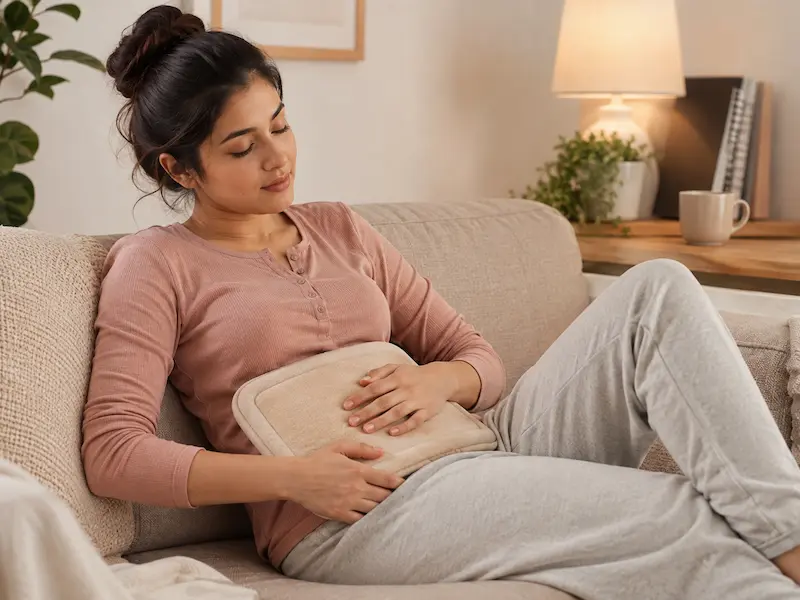
- What it is: The application of sustained, moderate warmth (~104°F / 40°C) to the lower abdomen or lumbar region using heating pads, warm baths, or wearable adhesive heat patches.
- Why it may work: Superficial heat penetrates abdominal tissues to dilate local pelvic blood vessels, improving microvascular perfusion and oxygen delivery to oxygen-deprived uterine muscle fibers. Heat also stimulates cutaneous thermal receptors, which down-regulate pain signal transmission at the spinal cord level.
- How to use it: Apply a heating pad or wearable, air-activated heat patch across the suprapubic area (lower pelvis) or lower back for 20 to 30 minutes at a time, or throughout the day using low-temperature wearable wraps under loose clothing.
- How quickly it may help: Often provides soothing comfort within 15 to 30 minutes of continuous application.
- Evidence level: High Quality (Cochrane systematic reviews demonstrate that continuous low-level superficial heat therapy is as effective as standard over-the-counter analgesics for primary dysmenorrhea).
- Safety notes: Ensure an adequate protective cloth barrier between electrical heating pads and your skin to prevent burns. Never sleep with an electric heating pad turned on.
- Best for: Immediate at-home comfort, lower back stiffness, and women who prefer a drug-free, non-pharmacological approach.
3. Low-Impact Aerobic Exercise & Pelvic Movement
- What it is: Engaging in regular, low-to-moderate physical activities such as brisk walking, swimming, light cycling, or gentle pelvic yoga.
- Why it may work: Aerobic movement stimulates systemic beta-endorphin release—the body’s natural neurochemical analgesics. It also increases pelvic blood circulation, accelerates prostaglandin clearance, and helps relax pelvic floor muscle hypertonicity.
- How to use it: Aim for 30 to 45 minutes of moderate aerobic activity 3 times per week throughout your cycle. During active bleeding, choose gentle restorative movement like light walking, pelvic tilts, or child’s pose rather than high-intensity straining.
- How quickly it may help: Provides mild acute relief during and shortly after movement, with cumulative, clinically meaningful reductions in painful periods over 4 to 8 weeks of consistent routine.
- Evidence level: High Quality (Cochrane reviews confirm regular aerobic exercise significantly reduces menstrual pain intensity compared to sedentary controls).
- Safety notes: Scale back intensity on heavy flow days. Avoid movements that cause dizziness or exacerbate severe pelvic pain.
- Best for: Long-term cycle wellness, premenstrual mood support, and reducing baseline pelvic congestion.
4. Transcutaneous Electrical Nerve Stimulation (TENS)
- What it is: A non-invasive, wearable device that delivers mild electrical micro-currents through skin electrodes placed over the lower abdomen or lower back.
- Why it may work: TENS operates via the Melzack-Wall Gate Control Theory: electrical impulses stimulate large-diameter sensory nerve fibers, which blocks the transmission of slower pain signals to the spinal cord. It also encourages localized endogenous endorphin secretion.
- How to use it: Place the reusable electrode pads over the lower abdomen or sacrum as directed by the device manual. Adjust the frequency and pulse width to a comfortable, non-painful tingling sensation during cramp flare-ups.
- How quickly it may help: Immediate relief while the unit is active, with residual relief lasting 1 to 2 hours after turning the unit off.
- Evidence level: Moderate Evidence (Supported by clinical trials indexed in PubMed and systematic reviews in the Journal of Pain Research).
- Safety notes: Do not use TENS if you have an implanted cardiac pacemaker or defibrillator. Avoid placing pads over broken skin or the carotid sinus.
- Best for: Drug-free acute relief at work or on the go, and women who cannot tolerate oral pain relievers due to sensitive stomachs.
5. Hormonal Contraception (Endometrial Suppression)
- What it is: Prescription hormonal therapies—such as combined oral contraceptive pills, progestin-only pills, contraceptive patches, vaginal rings, or levonorgestrel intrauterine devices (IUDs)—prescribed by a licensed healthcare provider.
- Why it may work: Hormonal contraceptives suppress ovulation and thin the endometrial lining (decidualization). A thinner endometrial lining produces substantially fewer prostaglandins during menses, markedly reducing uterine contraction amplitude and menstrual blood volume.
- How to use it: Requires a comprehensive clinical discussion and prescription from your gynecologist or primary care physician to select the formulation best suited to your health history and reproductive goals.
- How quickly it may help: Typically requires 1 to 3 cycles to establish full endometrial thinning and significant pain reduction.
- Evidence level: High Quality (ACOG Practice Bulletins establish hormonal suppression as a primary, gold-standard therapy for primary dysmenorrhea and endometriosis-associated pain).
- Safety notes: Requires medical evaluation for contraindications, including uncontrolled hypertension, history of thromboembolism (blood clots), migraine with aura, or active liver disease.
- Best for: Women seeking reliable contraception, individuals with heavy menstrual bleeding, or those with recurrent, severe dysmenorrhea unresponsive to NSAIDs alone.
6. Dietary Ginger (Zingiber officinale)
- What it is: The oral intake of pure, dried ginger root powder in standardized capsules, culinary preparations, or warm ginger infusions during the early days of menstruation.
- Why it may work: Ginger contains active biological compounds—specifically gingerols and shogaols—that possess natural anti-inflammatory properties. Laboratory and clinical studies indicate ginger inhibits both the cyclooxygenase (COX) and lipoxygenase (LOX) inflammatory pathways, suppressing prostaglandin and leukotriene synthesis.
- How to use it: Clinical studies have evaluated dried ginger root extract (typically 250 mg to 500 mg standardized preparations, up to 3 to 4 times daily) taken during the first 3 days of menses. It can also be consumed as a freshly steeped root infusion.
- How quickly it may help: Noticeable symptom easing within 1 to 2 hours after ingestion when initiated at the onset of bleeding.
- Evidence level: Moderate Evidence (Supported by randomized controlled clinical trials and systematic reviews indexed in PubMed and the American Journal of Obstetrics and Gynecology).
- Safety notes: Generally safe in dietary amounts. High doses may cause mild heartburn or loose stools. Check with your doctor if you take blood-thinning medications or have gallbladder disease.
- Best for: Women seeking an evidence-based, botanical dysmenorrhea natural treatment or those experiencing mild menstrual nausea alongside cramping.
7. Hydration, Electrolyte Balance & Sleep Supportive Measures
- What it is: Foundational lifestyle habits targeting optimal cellular hydration, mineral electrolyte replenishment (magnesium, potassium), anti-inflammatory nutrition, and adequate restorative sleep.
- Why it may work: Mild sub-cellular dehydration can reduce circulating vascular volume, causing reactive vasoconstriction that worsens localized uterine muscle ischemia. Furthermore, magnesium acts as a physiological calcium-channel antagonist to support smooth muscle relaxation, while sleep deprivation heightens central pain sensitivity.
- How to use it: Drink adequate fluids consistently throughout the day. Incorporate magnesium-rich whole foods (leafy greens, pumpkin seeds, avocados, legumes) and omega-3 fatty acids (wild-caught fish, flaxseeds, walnuts). Prioritize 7 to 9 hours of quality sleep, particularly during the luteal and early menstrual phases.
- How quickly it may help: Gradual, cumulative benefits across 1 to 3 cycles, with hydration providing acute vascular support within hours.
- Evidence level: Moderate-to-Preliminary (Research published in the Journal of Pediatric and Adolescent Gynecology and NIH clinical reviews show lifestyle and dietary mineral balance support overall menstrual symptom tolerance).
- Safety notes: Focus on nutrient-dense whole foods rather than unregulated mega-dose dietary cleanses or detox products, which lack medical evidence.
- Best for: Baseline cycle optimization, active women in warm climates, and whole-body symptom management.
8. Comprehensive Medical Evaluation & Targeted Clinical Care
- What it is: A formal, individualized clinical evaluation by a board-certified gynecologist or pelvic pain specialist to diagnose and treat underlying reproductive pathology.
- Why it may work: If your pain stems from secondary dysmenorrhea (such as deep-infiltrating endometriosis, adenomyosis, large uterine fibroids, or pelvic adhesions), standard at-home measures will only offer temporary, partial relief. Direct clinical treatments—such as advanced imaging, targeted medical therapies, pelvic floor physical therapy, or minimally invasive surgery—address the root anatomical cause.
- How to use it: Schedule an appointment with a gynecologist if your cramps do not respond to over-the-counter therapies, worsen over time, or disrupt your daily responsibilities. Prepare by bringing a 2- to 3-month symptom log noting pain timing, severity, and prior medication responses.
- How quickly it may help: Provides immediate diagnostic clarity, with therapeutic relief timeline tailored to the specific medical or surgical treatment plan established with your physician.
- Evidence level: High Quality (Standard of care endorsed by ACOG, NIH, and international gynecologic clinical consensus).
- Safety notes: Essential for ruling out structural abnormalities, progressive conditions, or non-gynecologic pelvic conditions.
- Best for: Women experiencing refractory severe period pain, cyclical bowel/bladder pain, deep pain with intercourse, or worsening cramps in their 20s, 30s, or 40s.
Natural Dysmenorrhea Treatment: What Actually Has Evidence?
When exploring a dysmenorrhea natural treatment, it is important to separate scientifically grounded modalities from unregulated wellness trends. Many popular remedies claim to “cure” cramps or “detox” hormones, but medical evidence shows that true relief comes from targeting prostaglandin pathways, muscle tension, and pelvic blood flow.
Better-Supported Approaches (Moderate to High Clinical Evidence)
- Continuous Superficial Heat (~104°F): Backed by Cochrane Systematic Reviews, continuous superficial thermotherapy dilates pelvic microvasculature, improves oxygen delivery to the contracting myometrium, and down-regulates pain signals at the spinal cord level.
- Standardized Ginger Root (Zingiber officinale): Multiple randomized controlled trials indexed in PubMed demonstrate that consuming 250 mg to 500 mg of ginger powder 3 to 4 times daily during the first 3 days of bleeding reduces pain intensity similarly to mild over-the-counter pain relievers by naturally inhibiting COX and LOX inflammatory enzymes.
- Low-Impact Aerobic Exercise & Restorative Yoga: Engaging in 30 to 45 minutes of gentle, consistent movement three times weekly enhances endogenous beta-endorphin circulation, facilitates pelvic venous drainage, and relieves pelvic floor hypertonicity.
- Targeted Acupressure (Spleen 6 / SP6): Clinical studies indicate that applying firm, gentle pressure to the Spleen 6 acupoint (located about four finger-widths above the inner ankle bone) for 10 to 20 minutes can provide temporary, non-pharmacological relief by modulating afferent neural pain pathways.
- Dietary Omega-3 Fatty Acids & Magnesium: Consistent dietary intake of omega-3s (EPA/DHA) competes with arachidonic acid to promote less inflammatory prostaglandin pathways, while magnesium supports vascular smooth muscle relaxation.
Popular Remedies with Limited, Weak, or Inconsistent Evidence
- “Uterine Detox” Teas & Herbal Cleanse Kits: The uterus naturally sheds its own lining each month, while the liver and kidneys manage systemic detoxification. “Detox” teas lack standard regulation, have no clinical trials verifying pain reduction, and may contain harsh laxatives or undeclared additives.
- Vaginal Steaming: Steaming carries documented clinical risks of thermal burns, vaginal tissue irritation, and disruption of the delicate vaginal microbiome pH, with zero biological mechanism for altering uterine prostaglandins.
- Essential Oil Rubs (Aromatherapy Alone): While the gentle physical massage of applying oils to the lower abdomen may provide mild myofascial relaxation, current clinical evidence does not support essential oils alone as a standalone treatment for moderate-to-severe dysmenorrhea.
- Megadose Vitamin Regimens: Taking extreme, unmonitored doses of fat-soluble vitamins has inconsistent trial data and carries risks of hypervitaminosis. Nutrition should always be grounded in whole foods or clinician-guided supplementation.
What Helps Period Cramps the Most Right Now? 6 Rapid Methods for Period Cramps Relief
If you are experiencing acute pain right now and need to know how to stop period cramps, following a structured, evidence-based sequence can help ease symptoms rapidly.
- Initiate Treatment at the First Sign of Discomfort: Prostaglandins peak rapidly during the first 24 to 48 hours of your period. Addressing cramping at the very first sign of spotting or lower abdominal heaviness prevents the biochemical cascade before severe uterine muscle ischemia develops.
- Apply Continuous Superficial Heat (~104°F): Place an electric heating pad, warm water bottle, or wearable adhesive heat wrap across your lower abdomen or lower back. Heat begins increasing local pelvic blood flow and interrupting pain signaling within 15 to 20 minutes.
- Move Gently if Tolerated: While rest is vital, staying completely immobile can worsen pelvic venous congestion. If you feel up to it, try gentle walking, pelvic tilts, or resting in Child’s Pose (Balasana) or Reclined Bound Angle Pose (Supta Baddha Konasana) to release pelvic floor tension.
- Rehydrate with Warm Fluids and Electrolytes: Sip warm water, herbal ginger tea, or water with trace electrolytes (magnesium, potassium). Avoid high-sugar sodas and excessive caffeine, which can promote reactive vasoconstriction and gastrointestinal sensitivity.
- Take Clinician-Approved Anti-Inflammatories When Safe: If you have no medical contraindications (such as active ulcers, kidney disease, or bleeding disorders), take an over-the-counter NSAID strictly according to the package label with a full meal or glass of water to directly halt prostaglandin production.
- Know When to Stop Self-Treatment and Seek Care: If your cramps do not respond to standard pain relievers and heat, if you develop a fever, or if you soak through more than one pad or tampon per hour for two consecutive hours, stop self-treatment and consult a healthcare professional or visit urgent care immediately.
Period Cramps and Florida’s Active Lifestyle
Living in Florida offers unmatched opportunities for year-round vitality—from sunrise jogs along the St. Pete Pier and paddleboarding on the Gulf to beach yoga, tennis, and cycling the Pinellas Trail. However, navigating an active coastal lifestyle when dealing with cramps during period days requires mindful adjustments to environmental conditions.
While living in Florida does not change your uterine anatomy, the state’s high heat index and humidity accelerate sweat rates and fluid turnover. Sub-clinical dehydration decreases total plasma volume, triggering compensatory peripheral vasoconstriction that can restrict pelvic microvascular blood flow and worsen smooth muscle cramping.
- Maintain Fluid & Electrolyte Balance: If you are outdoors in the Florida sunshine, drink water consistently throughout the day and replenish essential minerals like magnesium and potassium with fresh citrus or coconut water.
- Mindful Movement Over Maximum Exertion: Adapt your fitness to your cycle tolerance. On heavy flow days, swap high-intensity interval training (HIIT) on the beach for restorative coastal walks or gentle swimming in calm Gulf waters, where natural buoyancy relieves pelvic gravity pressure.
- Embrace Indoor Fitness During Peak Afternoon Heat: During the hottest summer hours (between 11:00 AM and 4:00 PM), transition workouts to air-conditioned indoor spaces to avoid heat exhaustion compounding menstrual fatigue.
- Wearable Comfort for Outdoor Events: If you are spending the day at St. Pete Beach or local outdoor markets, wear loose, breathable linen or cotton clothing to prevent trapped heat around the pelvis, and pack discreet, air-activated adhesive heating patches for portable lower back comfort.
Dr. Mehwish Saif at her St. Pete practice regularly addresses menstrual pain and the gynecologic conditions that can contribute to painful periods. If chronic pelvic discomfort is keeping you from enjoying the outdoor Florida lifestyle you love, a personalized gynecological evaluation can provide the answers and relief you deserve.
When Severe Period Pain Is NOT Normal
While mild-to-moderate uterine cramping during the first day or two of bleeding is a common physiological response to prostaglandin surges, debilitating pain is not something you must endure in silence. Severe pain is a distinct biological signal that warrants medical attention.
Clinical Warning Signs to Discuss with Your Doctor
- Disabling Pain: Cramping severe enough to keep you confined to bed, cause missed work or school days, or prevent you from performing routine daily activities.
- Progressively Worsening Pain: Cramps that grow significantly more painful cycle after cycle or year after year.
- Refractory to First-Line Therapy: Pain that shows little to no improvement after taking over-the-counter NSAIDs (like ibuprofen or naproxen) as directed along with continuous heat therapy.
- New Onset Later in Reproductive Life: Intense cramping that begins in your 20s, 30s, or 40s after years of relatively mild or painless periods, or shifting cycle characteristics that warrant reading our evidence-based guide to irregular periods causes and solutions.
- Menorrhagia (Excessive Bleeding): Soaking through one or more sanitary pads or tampons every hour for two or more consecutive hours, or passing blood clots larger than a quarter.
- Intermenstrual Bleeding: Spotting or bleeding between periods or following intercourse.
- Dyspareunia (Pain During Intercourse): Deep, aching pelvic pain during or after sexual intimacy.
- Cyclical Dyschezia or Dysuria: Sharp pain with bowel movements or painful urination specifically during your menstrual period.
- Associated Fertility Concerns: Difficulty conceiving after 6 to 12 months of regular, unprotected intercourse alongside chronic pelvic pain.
Red-Flag Symptoms Requiring Emergency Medical Care
Seek immediate emergency medical care or visit the nearest emergency department if you experience:
- Sudden, Sharp, or Unilateral Severe Pelvic Pain: Could indicate an acute surgical emergency, such as an ovarian cyst rupture or ovarian torsion.
- Pelvic Pain with Potential Pregnancy: Severe lower abdominal cramping or spotting when pregnancy is possible, which can be a sign of an ectopic pregnancy.
- Fever, Chills, or Foul-Smelling Discharge: Signs that may suggest an acute pelvic infection, such as Pelvic Inflammatory Disease (PID).
- Syncope (Fainting), Severe Dizziness, or Extreme Weakness: May indicate substantial blood loss, severe anemia, or hemodynamic instability.
Could Endometriosis or Another Condition Be Causing Your Period Pain?
If you experience persistent, treatment-resistant menstrual pain, an underlying gynecological condition may be contributing to your symptoms. A formal medical consultation helps identify the biological root of your discomfort rather than merely blunting acute symptoms.
What to Expect During a Clinical Gynecological Evaluation
- Detailed Medical & Menstrual History: Your clinician will review your cycle length, pain onset, pain quality, bleeding patterns, family history, and previous medication responses. If you are experiencing systemic hormonal fluctuations, your provider may evaluate the PCOS cortisol and stress connection to assess its contribution to cycle irregularities.
- Comprehensive Pelvic Examination: A gentle clinical exam to evaluate uterine size, shape, tenderness, pelvic mobility, and cervical health.
- Diagnostic Pregnancy Testing: Performed when medically relevant to rule out ectopic pregnancy or gestational complications.
- Targeted Pelvic Imaging: High-resolution transvaginal and transabdominal ultrasound to visualize the uterine architecture, endometrial thickness, ovarian structures, fibroids, or signs of adenomyosis.
- Advanced Diagnostic Pathways: When symptoms strongly suggest deep-infiltrating endometriosis that does not appear on standard ultrasound, your gynecologist may recommend pelvic Magnetic Resonance Imaging (MRI) or discuss diagnostic laparoscopy. If you are approaching midlife with changing cycle lengths and vasomotor shifts, your provider will evaluate transition markers as detailed in our comprehensive perimenopause to menopause guide.
Period Cramps and Your Daily Life
Menstrual cramps are far more than an isolated physical sensation—dysmenorrhea has measurable, evidence-based impacts across all dimensions of a woman’s health, productivity, and wellbeing:
- Professional and Academic Productivity: Studies published in the British Medical Journal (BMJ) show that dysmenorrhea is a leading cause of school absenteeism and lost workplace productivity in women under 45. The phenomenon of “presenteeism”—being physically present at work while experiencing impaired cognitive focus due to severe pain—accounts for substantial lost productive time each year.
- Sleep Quality and Fatigue: Nocturnal uterine spasms and lower back ache frequently disrupt deep, restorative sleep. Sleep deprivation elevates central nervous system pain sensitivity the following day, creating a cycle of heightened pain perception and daytime fatigue.
- Physical Fitness and Athletic Consistency: For active women, acute pelvic pain, bloating, and fatigue can interrupt training routines and outdoor recreation. Fear of sudden cramp flare-ups often leads to exercise avoidance, even though regular low-impact movement supports long-term pelvic circulation.
- Emotional Health and Relationships: Chronic recurring pain places demands on the autonomic nervous system. Fluctuating pain alongside premenstrual hormonal shifts can contribute to anxiety, low mood, and stress. It can also strain personal relationships when pain forces you to withdraw from social activities, family events, or intimate moments.
- These evidence-based options prove that lasting period cramps relief is possible without just enduring the pain.
Sources & Medical References:
- Painful periods causes and treatment – ACOG
- When to see a doctor for menstrual cramps – Mayo Clinic
- Endometriosis information – Office on Women’s Health
- NSAIDs drug information – MedlinePlus NIH
- Menstruation and health research – NIH
Related Guides on HavenHer:
Frequently Asked Questions (FAQs)
How can I stop period cramps quickly?
The fastest evidence-based approach is combining continuous superficial heat therapy (~104°F) with an over-the-counter NSAID (such as ibuprofen or naproxen sodium) taken with food at the earliest onset of spotting or cramping, provided you have no medical contraindications. Heat increases pelvic blood flow within 15 to 20 minutes, while anti-inflammatories begin blocking prostaglandin synthesis within 30 to 60 minutes.
What helps period cramps the most?
Clinical guidelines from ACOG and Cochrane Systematic Reviews confirm that targeted prostaglandin synthetase inhibitors (NSAIDs) and continuous superficial heat therapy are the most effective first-line interventions for acute primary dysmenorrhea. For long-term suppression, hormonal contraceptives prescribed by a physician provide the most substantial, lasting reduction in endometrial prostaglandins.
Why are my period cramps suddenly so bad?
A sudden increase in menstrual pain severity—especially if your periods were previously manageable—often points toward secondary dysmenorrhea. This can be caused by developing gynecological conditions such as endometriosis, adenomyosis, uterine fibroids, or pelvic infection. Sudden changes warrant a formal evaluation by a gynecologist.
How long should period cramps normally last?
In typical primary dysmenorrhea, cramping begins 12 to 24 hours before or at the onset of menstrual flow, peaks during the first 24 to 48 hours as prostaglandins are maximally released, and gradually resolves as bleeding tapers. Cramps that persist continuously throughout your entire period or last all month long are not typical and should be evaluated.
Can heat really help period cramps?
Yes. Cochrane systematic reviews show that continuous superficial heat therapy (~104°F / 40°C) applied to the lower abdomen is as clinically effective as standard oral analgesics. Heat induces local vasodilation, improving oxygen delivery to the contracting uterine muscle while down-regulating spinal pain signal transmission.
Does exercise reduce period cramps?
Yes. Regular, low-to-moderate aerobic exercise (such as brisk walking, swimming, or cycling) performed for 30 to 45 minutes three times weekly significantly reduces menstrual pain intensity. Exercise stimulates endogenous beta-endorphin release, enhances pelvic circulation, and helps relieve pelvic floor muscle tension.
What is the best natural treatment for dysmenorrhea?
Continuous superficial heat therapy, standardized ginger root extract (250–500 mg during the first 3 days of bleeding), low-impact aerobic exercise, and targeted Spleen 6 (SP6) acupressure have the strongest peer-reviewed clinical trial support among non-pharmacological modalities.
When should I see a gynecologist for period pain?
You should schedule a consultation if your cramps are severe enough to disrupt work, school, or daily activities; if they do not respond to over-the-counter pain relievers and heat; if you have heavy bleeding soaking a pad or tampon every hour; or if you experience pain with intercourse, bowel movements, or urination.
Can severe period pain be a sign of endometriosis?
Yes. Severe, chronic, or worsening menstrual pain—especially when refractory to standard NSAIDs and accompanied by deep pain during intercourse, fatigue, or cyclical bowel/urinary discomfort—is a hallmark clinical indicator of endometriosis.
Are severe period cramps ever an emergency?
Yes. Seek emergency medical attention if severe pelvic pain is sudden and sharp (especially on one side), if pain occurs alongside a positive pregnancy test or possible pregnancy, if pain is accompanied by high fever or foul-smelling discharge, or if you experience dizziness, fainting (syncope), or confusion.Medical & Educational Disclaimer: The information provided in this article is for educational and informational purposes only and is not intended as individual medical advice, clinical diagnosis, or treatment.
It should not be used as a substitute for professional medical care from a board-certified gynecologist, physician, or qualified healthcare provider. Never disregard professional medical advice or delay seeking it because of something you have read on HavenHer.org. Always consult your healthcare provider before starting any new medication, botanical supplement, or exercise routine.
Sources & Peer-Reviewed References
- American College of Obstetricians and Gynecologists (ACOG). Dysmenorrhea and Endometriosis in the Adolescent. ACOG Practice Bulletin No. 218. Obstet Gynecol. 2018;132(6):e249-e258.
- Cochrane Database of Systematic Reviews. Heat therapy for primary dysmenorrhoea. Cochrane Database Syst Rev. 2018;CD002124.pub3.
- Cochrane Database of Systematic Reviews. Nonsteroidal anti-inflammatory drugs for dysmenorrhoea. Cochrane Database Syst Rev. 2015;CD001751.pub3.
- Cochrane Database of Systematic Reviews. Exercise for dysmenorrhoea. Cochrane Database Syst Rev. 2019;CD004142.pub4.
- National Institute of Child Health and Human Development (NICHD / NIH). Understanding Menstrual Pain & Endometriosis Pathophysiology. NIH Publication No. 22-HD-8142, 2023.
- Journal of Pain Research (PubMed). Transcutaneous electrical nerve stimulation for primary dysmenorrhea: A systematic review and meta-analysis. J Pain Res. 2020;13:32607005.
- American Journal of Obstetrics and Gynecology (PubMed). Effect of standardized ginger (Zingiber officinale) on primary dysmenorrhea: A randomized controlled clinical trial. Am J Obstet Gynecol. 2021;224(5):PMID 34182419.
- Complementary Therapies in Medicine (PubMed). Acupressure at Spleen 6 (SP6) for primary dysmenorrhea: A randomized controlled trial. Complement Ther Med. 2022;64:102798. PMID 35123901.
- British Medical Journal (BMJ). Dysmenorrhoea and its impact on work productivity and absenteeism: A population-based study. BMJ Open. 2019;9:e026186.