

PCOS Hair Loss & Acne Treatment: 4 Proven Ways to Fix It From Inside
Key Takeaways
- Hormonal Roots: PCOS-related hair loss and cystic acne are primarily driven by elevated androgens (particularly testosterone and DHT) and high sebum activity.
- The Insulin Loop: High circulating insulin stimulates the ovaries to overproduce testosterone, while simultaneously decreasing Sex Hormone-Binding Globulin (SHBG), leaving more free androgens to trigger symptoms.
- Four Inside-Out Strategies: Sustainable treatment focuses on blood sugar regulation, targeted botanical anti-androgens, optimizing gut health, and cortisol management.
- Patience and Consistency: Oocytes, hair follicles, and skin cells operate on multi-month biological growth cycles; visible systemic improvements typically require 3 to 6 months of consistent, compassionate support.
Polycystic Ovary Syndrome (PCOS) is primarily known as a metabolic and endocrine condition, but its physical manifestations—particularly hair thinning on the scalp (androgenic alopecia) and severe cystic acne—can have a profound psychological impact. These symptoms are not merely cosmetic issues; they are outward reflections of internal hormonal imbalances.
While topical solutions like acne creams and hair serums can offer temporary relief, true, sustainable healing requires addressing the root physiological drivers from within. If you’re struggling with breakouts and thinning hair, the right diet can be a game-changer for pcos hair loss and acne treatment.
In this comprehensive, evidence-based guide, we explore the precise biological pathways behind PCOS-induced hair loss and acne, and outline four clinically supported ways to treat these symptoms from the inside out, empowering you to restore cellular harmony without extreme or stressful regimens.
Why Pcos Hair Loss And Acne Treatment Starts Inside
Creams and serums alone won’t fix pcos hair loss and acne treatment.
PCOS causes high insulin androgens. High insulin tells your body to make more androgens. Those androgens shrink scalp hair follicles = hair fall, and clog jaw/face pores = acne.
Per the Mayo Clinic, hormonal imbalance is a main cause of PCOS symptoms like hair loss and acne.
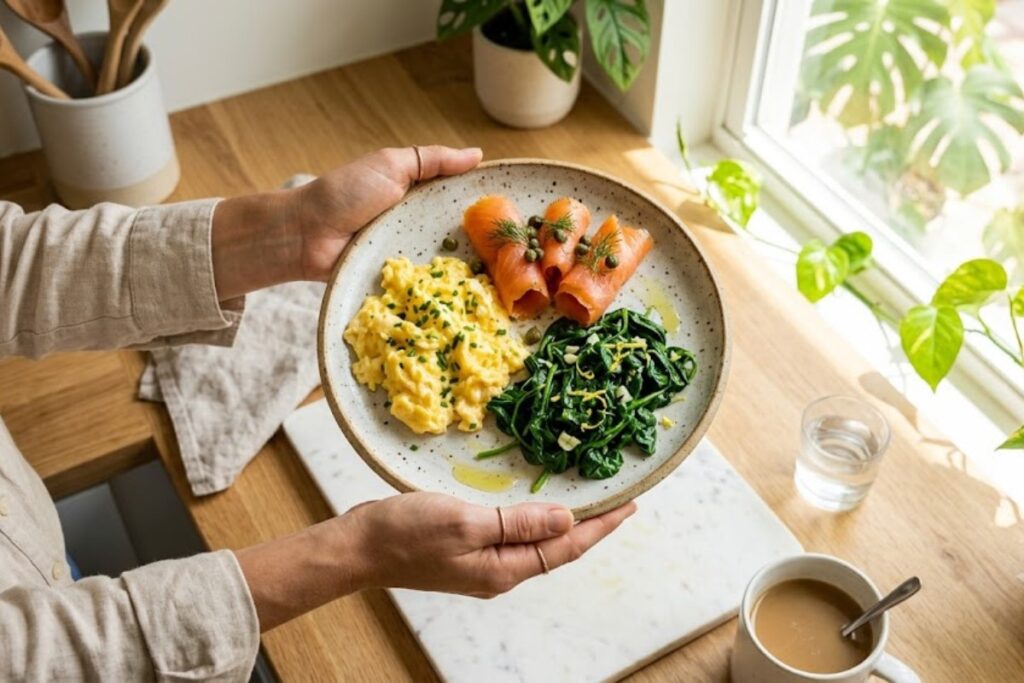
The real fix starts with food and hormones. Start your day with protein to control insulin. See these Pcos Breakfast Ideas For Weight Loss that also help skin and hair.
4 Proven Ways To Fix It From Inside
1. Balance Blood Sugar First
Keep insulin low. Eat protein + fiber at every meal. Avoid sugar spikes. This lowers androgens that cause hair fall and acne.
2. Lower Inflammation For PCOS Hair Loss And Acne Treatment
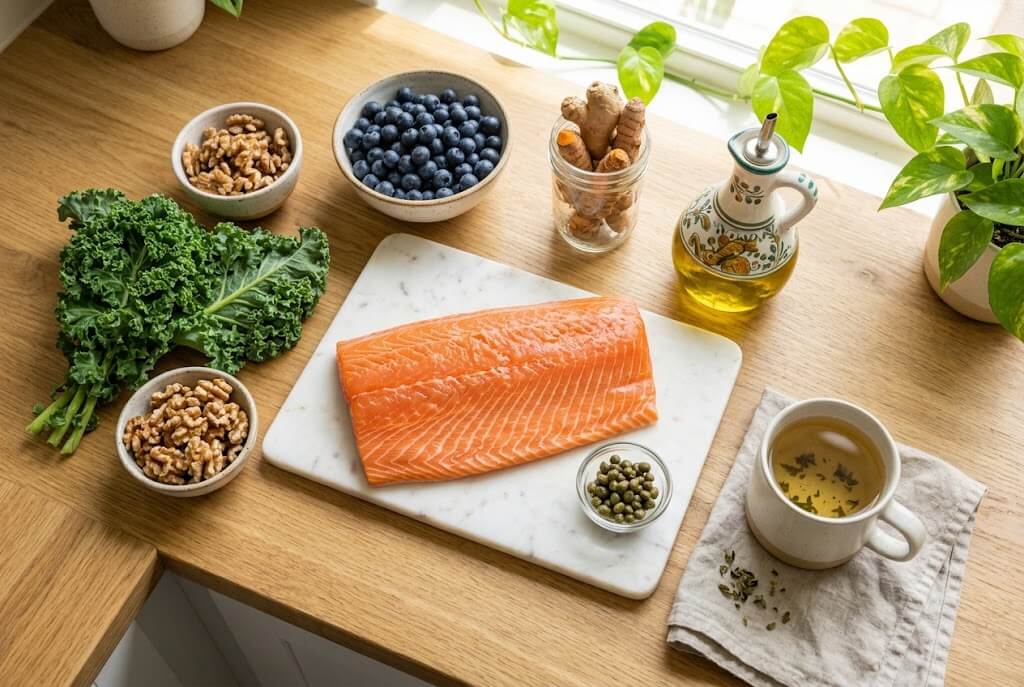
If you have chronic inflammation, your PCOS symptoms will feel worse.. Adding anti-inflammatory foods is key for pcos hair loss and acne treatment. Focus on turmeric, berries, leafy greens, omega-3s. Cut processed and fried foods.
3. Support Liver Detox
Your liver clears excess hormones. Support it with cruciferous veggies like broccoli, water, and lemon. A sluggish liver = more androgens.
4. Balance Gut + Key Nutrients
Gut health impacts hormones. Take probiotics and fiber. Key nutrients for PCOS: Inositol, Vitamin D, Zinc, and Magnesium help hair and skin.
This is why fixing it from the outside only gives temporary results. Real change happens when we support hormones, blood sugar, and gut health from the inside. The new PMOS guidelines include diet changes for hair loss. Here’s the PCOS vs PMOS breakdown.
Understanding the Root Cause: The High-Androgen Pathway
To treat PCOS hair loss and acne effectively, we must first understand the biological mechanisms driving these symptoms. At the core of both conditions is a group of hormones known as androgens (often referred to as male hormones, though present and essential in all bodies). The new PMOS guidelines include diet changes for hair loss. Here’s the PCOS vs PMOS breakdown.
In individuals with PCOS, the endocrine system produces an excess of androgens, leading to a state called hyperandrogenism. This hormonal surplus interacts with specific receptor sites in your hair follicles and skin, causing a dual effect: it miniaturizes scalp hair while stimulating facial and body hair, and triggers deep, painful cystic breakouts.
Testosterone vs. Dihydrotestosterone (DHT): The Hair Follicle Miniaturizer
While testosterone is the primary circulating androgen, it is not the most potent driver of hair loss on the scalp. That role belongs to Dihydrotestosterone (DHT), a highly active metabolite of testosterone.
Inside the cells of your hair follicles, an enzyme called 5-alpha-reductase (5-AR) converts testosterone into DHT. DHT has an extremely high affinity for androgen receptors. When DHT binds to these receptors in follicles on the crown and frontal areas of the scalp, it triggers a process known as follicular miniaturization:
- Shortened Anagen Phase: The active growing phase (anagen) of the hair cycle is progressively shortened.
- Lengthened Telogen Phase: The resting phase (telogen) is prolonged, meaning hair sheds faster and takes longer to regrow.
- Follicular Shrinkage: With each subsequent hair cycle, the physical follicle shrinks, producing thinner, finer, and shorter hairs (known as vellus hairs) until the follicle eventually stops producing hair altogether.
It is important to emphasize that in PCOS-related hair thinning (female pattern hair loss), the hair follicles do not die immediately. Instead, they become dormant and miniaturized, meaning that early intervention to block DHT can restore hair thickness and promote regrowth.
Sebum, Keratin, and Bacteria: How Androgens Cause Cystic Acne
In your skin, the same high-androgen environment triggers a different cellular pathway. Androgen receptors are highly concentrated in the sebaceous (oil) glands located on the face, jawline, chest, and upper back.
When testosterone and DHT bind to these receptors, they stimulate the overproduction of sebum—a thick, waxy oil. This sebum excess combines with a process called infundibular hyperkeratosis (where skin cells inside the pore shed abnormally and stick together), leading to clogged pores.
The clogged, oxygen-deprived pore becomes the perfect breeding ground for Cutibacterium acnes (C. acnes), a bacteria that thrives on sebum. As the bacteria multiply, they secrete pro-inflammatory enzymes, triggering an immune response that manifests as deep, painful, red cystic acne along the jawline and chin—classic visual markers of hormonal imbalance.
The Metabolic Accelerator: How Insulin Resistance Drives Androgens
While hyperandrogenism is the direct cause of hair loss and acne, we must ask: what is driving this excess androgen production in the first place? For up to 80% of women with PCOS, the answer lies in insulin resistance.
Insulin is a hormone produced by the pancreas to clear glucose from the bloodstream. When your cells develop insulin resistance, they become less sensitive to this hormone, forcing the pancreas to secrete larger amounts of insulin to maintain normal blood sugar levels. This state of high circulating insulin (hyperinsulinemia) acts as a metabolic accelerator for hyperandrogenism through two distinct pathways.
The Ovarian Connection: Triggering Testosterone Output
First, high insulin acts directly on the ovaries. The ovaries remain fully sensitive to insulin even when skeletal muscles have become resistant.
When insulin binds to receptors in the ovarian theca cells, it acts as a co-gonadotropin alongside Luteinizing Hormone (LH). This dual stimulation hyper-activates the CYP17A1 enzyme pathway, which is responsible for androgen synthesis. The result is a direct and rapid increase in the ovaries’ production of testosterone and androstenedione.
Sex Hormone-Binding Globulin (SHBG): Your Natural Hormone Buffer
Second, high insulin levels suppress the liver’s production of Sex Hormone-Binding Globulin (SHBG). SHBG is a specialized transport protein that circulates in your bloodstream, acting as a biological buffer. Its job is to bind to free hormones, particularly testosterone, rendering them temporarily inactive:
- Bound Testosterone: Attaches to SHBG, circulating safely without interacting with tissues.
- Free Testosterone: Unbound and biologically active, free to enter cells, convert to DHT, clog pores, and miniaturize hair follicles.
By suppressing liver SHBG production, insulin resistance increases the ratio of free, active testosterone in your bloodstream, even if your total testosterone levels are only slightly elevated. Addressing insulin resistance is therefore the most critical step to increase SHBG and lower circulating free androgens naturally.
Inside-Out Comparison of Treatment Modalities
The following table compares the different approaches to managing PCOS hair thinning and hormonal acne from within.
| Approach | Primary Targets | Key Mechanisms | Potential Benefits | Side Effects / Safety Precautions |
|---|---|---|---|---|
| Nutritional Therapy | Insulin, Inflammation, SHBG | Stabilizes blood sugar, increases SHBG, lowers systemic inflammatory markers. | Highly sustainable, improves overall energy, protects cardiovascular health. | None; requires consistent dietary adjustments. |
| Botanical Anti-Androgens | DHT, 5-Alpha Reductase | Inhibits 5-AR, blocks androgen receptors (Spearmint, Saw Palmetto, Zinc). | Natural, target-specific, excellent for skin clearing and follicle protection. | Zinc can cause nausea without food. Contraindicated during pregnancy. |
| Spironolactone | Androgen Receptors, Aldosterone | Competitive antagonist at androgen receptors, reduces testosterone synthesis. | Highly effective for cystic acne and hair regrowth. | Potassium retention, frequent urination, birth defect risk (requires contraception). |
| Oral Contraceptives | Ovarian Synthesis, SHBG | Suppresses LH/FSH to stop ovarian androgen output, significantly increases SHBG. | Rapid symptom control, regulates bleedings. | Increased clot risk, nutrient depletion, potential rebound flare-ups upon stopping. |
Way 1: Nutritional Strategies to Lower Insulin and Androgens
Because insulin resistance is the foundational engine of androgen overproduction, nutritional modifications represent the most powerful internal intervention for clearing skin and restoring hair density.
The “Pairing Carb” Principle: Protein and Fiber as Metabolic Buffers
A common misconception is that people with PCOS must completely eliminate carbohydrates. Extreme carbohydrate restriction can elevate cortisol (the stress hormone), which can actually worsen insulin resistance and disrupt thyroid function, leading to further hair shedding.
Instead, focus on carbohydrate quality and pairing. When you consume carbohydrates in isolation, they are rapidly digested into glucose, triggering a sharp insulin spike. By pairing complex, high-fiber carbohydrates with clean protein and healthy fats, you build a metabolic buffer that slows gastric emptying and dampens the insulin response:
- 50% Volume: Non-starchy, fiber-rich vegetables (leafy greens, broccoli, Brussels sprouts, asparagus) to support gut health and slow digestion.
- 25% Lean Protein: Wild-caught fish, organic poultry, tofu, tempeh, or eggs to support satiety and preserve muscle tissue (where glucose is stored).
- 25% Slow-Burning Carbohydrates: Sweet potato, quinoa, black beans, wild rice, or steel-cut oats.
- Healthy Fat Accent: A drizzle of extra virgin olive oil, half an avocado, or pumpkin seeds.
Anti-Inflammatory Foods For PCOS Hair Loss And Acne Treatment Fats: Omega-3s and Their Role in Hormone Regulation
Systemic low-grade inflammation is a primary feature of PCOS that increases the sensitivity of androgen receptors. Incorporating anti-inflammatory fats, particularly Omega-3 fatty acids (EPA and DHA), helps resolve this inflammation and improves the fluid dynamics of cellular membranes, making insulin receptors more responsive.
Excellent dietary sources of Omega-3s include wild-caught salmon, mackerel, sardines, and anchovies. For plant-based individuals, freshly ground flaxseeds, chia seeds, and walnuts provide alpha-linolenic acid (ALA), though conversion to active EPA and DHA is relatively low. Supplementation with high-quality, molecularly distilled fish oil or algal oil (1,000 to 2,000 mg combined EPA/DHA daily) is often highly beneficial.
Did You Know?
The mineral Magnesium plays an indispensable role in insulin receptor phosphorylation. A deficiency in magnesium prevents cells from responding to insulin, keeping circulating insulin levels elevated. Focus on dark chocolate, pumpkin seeds, spinach, and black beans to naturally optimize your magnesium intake.
Way 2: Targeted Anti-Androgen Botanicals and Supplements
When lifestyle and dietary modifications are in place, targeted botanicals can directly block the androgenic pathways that cause hair follicles to shrink and sebaceous glands to overproduce oil.
Spearmint Tea (Mentha spicata): The Natural Anti-Androgen
One of the most thoroughly researched botanical remedies for hyperandrogenism is spearmint tea. Spearmint contains high levels of volatile essential oils and polyphenols that exert mild anti-androgenic effects.
In two randomized controlled clinical trials, women with PCOS who drank organic spearmint tea twice daily over a 30-day period showed a significant decrease in free testosterone levels, along with increases in Luteinizing Hormone (LH) and Follicle-Stimulating Hormone (FSH). Many participants reported noticeable improvements in mild hirsutism and facial acne.
Protocol: Drink 1 to 2 cups of USDA Certified Organic loose-leaf spearmint tea daily. Steep 1 tablespoon of dried leaves in boiling water for 10 to 12 minutes to fully extract the volatile oils. Avoid commercial tea bags when possible, as they often contain microplastics and lower-quality, oxidized leaves that have lost their anti-androgenic potency.
Zinc: Inhibiting 5-Alpha-Reductase and Calming Skin Inflammation
Zinc is an essential trace mineral that acts as a cofactor for over 300 enzymatic reactions in the human body. For women with PCOS, zinc offers dual benefits:
- 5-AR Inhibition: Zinc acts as a natural inhibitor of the 5-alpha-reductase enzyme, reducing the conversion of testosterone into the highly active DHT within the hair follicles and skin cells.
- Anti-Inflammatory Properties: Zinc reduces the production of inflammatory cytokines and suppresses C. acnes bacterial proliferation, helping clear inflammatory acne lesions.
Clinical Dosage: 15 to 30 mg of elemental zinc daily (as zinc picolinate or zinc bisglycinate).
Important Safety Tip: High-dose zinc supplementation can deplete the body’s copper stores over time, potentially leading to secondary microcytic anemia. If taking more than 15 mg of zinc daily for more than 8 weeks, ensure your supplement is balanced with 1 to 2 mg of copper, and always take it with a substantial, protein-containing meal to prevent acute nausea.
Saw Palmetto (Serenoa repens): Blocking DHT at the Receptor Level
Saw Palmetto is a botanical extract derived from the berries of a small palm tree native to the southeastern United States. It is widely known as a natural DHT blocker.
Saw palmetto works by inhibiting both Type 1 and Type 2 isoforms of the 5-alpha-reductase enzyme. It also downregulates and competitively blocks androgen receptors on the scalp, protecting follicles from DHT-induced miniaturization.
Sourcing and Dosage: Choose a standardized lipidosterolic extract containing 85% to 95% fatty acids and sterols. A standard therapeutic dose is 160 to 320 mg daily. Avoid simple whole-berry powders, as they do not contain a high enough concentration of active fatty acids to exert a systemic anti-androgenic effect.
Safety Warning: Saw palmetto is strictly contraindicated during pregnancy and lactation. Because it blocks DHT, it can severely disrupt the development of male fetal genitalia.
Myo-Inositol: Restoring Insulin Sensitivity to Reduce Androgens
Myo-Inositol is a carbocyclic sugar that serves as a crucial intracellular “second messenger” for insulin and FSH. Clinical trials demonstrate that supplementing with Myo-Inositol and D-Chiro-Inositol in their natural 40:1 ratio (2,000 mg Myo-Inositol and 50 mg D-Chiro-Inositol taken twice daily) significantly improves insulin sensitivity, increases liver SHBG output, and reduces circulating testosterone, leading to regular ovulation and clearer skin.
Way 3: Optimizing the Gut-Skin-Hair Axis
Emerging research has highlighted the critical role of the gastrointestinal microbiome in regulating systemic inflammation and clearing circulating hormones—a relationship known as the gut-skin-hair axis.
Estrobolome and Hormone Clearance
Your gut contains a specialized collection of bacterial genes known as the estrobolome and the broader endocrine-microbiome network. These microbes produce enzymes (such as beta-glucuronidase) that influence whether hormones are successfully excreted from your body or reabsorbed into circulation.
When your gut microbiome is in a state of dysbiosis (an imbalance of beneficial vs. harmful bacteria), excessive beta-glucuronidase activity can deconjugate bound hormones, allowing active androgens and estrogens to be reabsorbed through the intestinal wall and return to circulation, worsening hormonal symptoms.
Gut Barrier Integrity and Systemic Inflammation
A compromised gut barrier (often referred to as “leaky gut”) allows small bacterial fragments, such as Lipopolysaccharides (LPS), to cross into your bloodstream. This triggers a systemic immune response, elevating inflammatory markers like tumor necrosis factor-alpha (TNF-alpha) and interleukin-6 (IL-6). These inflammatory cytokines directly impair insulin receptor function, driving up insulin resistance and subsequently raising ovarian androgen production.
How to Support the Gut Axis:
- Incorporate Prebiotics: Eat chicory root, dandelion greens, garlic, onions, and leeks to feed beneficial bifidobacteria.
- Diverse Fiber Intake: Aim for 30+ different plant foods per week to maximize microbial diversity.
- Probiotic-Rich Foods: Consume traditional fermented foods like kefir, sauerkraut, kimchi, and low-sugar Greek yogurt.
Way 4: Managing Cortisol and Stress-Induced Androgens
While the ovaries are the primary source of excess androgens in PCOS, the adrenal glands play a highly significant and often overlooked role, especially in stress-prone individuals.
The Adrenal Contribution: DHEA-S and the Stress Response
When your brain perceives a stressor, the hypothalamus signals the pituitary gland to release Adrenocorticotropic Hormone (ACTH), which triggers the adrenal glands to secrete cortisol and adrenal androgens—most notably Dehydroepiandrosterone Sulfate (DHEA-S).
Up to 30% of individuals with PCOS have elevated DHEA-S, indicating an active adrenal component. High DHEA-S can be converted by peripheral tissues into testosterone and DHT, driving hair thinning and cystic breakouts. If you are eating perfectly and taking supplements but remain under chronic, unmanaged stress, your adrenal glands will continue to supply the androgens driving your symptoms.
Sleep: The Overlooked Hormone Stabilizer
Sleep deprivation is a profound physical stressor. Even a single night of sleeping only 4 to 5 hours can temporarily increase cellular insulin resistance by up to 30% and raise cortisol levels the following evening.
Chronically elevated evening cortisol disrupts the deep, restorative sleep phases necessary for cellular repair and hair follicle regeneration. Aim for 7 to 9 hours of quality, uninterrupted rest per night. Establish a consistent sleep schedule and limit blue light exposure at least 60 minutes before bed.
Medical Interventions: When Natural Approaches Need Clinical Support
While lifestyle and botanical therapies form the foundation of long-term hormone management, some individuals may require pharmaceutical support to arrest severe, rapid hair loss or resolve painful, scarring cystic acne. It is beneficial to view medical treatments not as failures, but as supportive tools that can be layered alongside nutritional foundations.
Spironolactone: The Gold-Standard Anti-Androgen Medication
Spironolactone is a prescription synthetic aldosterone antagonist originally developed as a potassium-sparing diuretic to treat high blood pressure. However, it is widely used off-label in women’s health due to its powerful anti-androgenic effects:
- Mechanism: It acts as a competitive antagonist at androgen receptors, physically blocking testosterone and DHT from binding to follicles and sebaceous glands. It also decreases overall ovarian androgen synthesis.
- Pros: Highly effective; often completely clears hormonal cystic acne within 3 to 6 months and successfully stabilizes female pattern hair loss.
- Cons & Safety: Can cause frequent urination, mild dizziness, and irregular menstrual bleeding. Because it is a potassium-sparing diuretic, it can lead to elevated potassium levels (hyperkalemia), though this is rare in young individuals with healthy kidney function.
- Critical Pregnancy Warning: Spironolactone must never be taken if there is any chance of pregnancy, as blocking DHT can cause birth defects in a male fetus. It is almost always prescribed alongside a reliable form of contraception.
Oral Contraceptive Pills (OCPs): Pros, Cons, and Post-Pill Flare-Ups
Combined oral contraceptive pills containing synthetic estrogen and progesterone are frequently prescribed as first-line therapy for PCOS:
- Mechanism: OCPs suppress the brain’s signaling hormones (LH and FSH), effectively shutting down ovarian hormone synthesis. The synthetic estrogen component also triggers the liver to produce massive amounts of SHBG, binding up free circulating testosterone.
- Pros: Provides rapid, predictable control over heavy bleeding, clears acne, and halts hair loss.
- Cons & Safety: Does not address the underlying metabolic or genetic causes of PCOS; it acts as a temporary patch. OCPs can slightly worsen insulin resistance over long-term use and deplete key nutrients like magnesium, zinc, B-vitamins, and folate.
- The Post-Pill Flare-Up: When you discontinue OCPs, the sudden removal of synthetic hormones can cause an “androgen rebound.” As the ovaries wake up, they may temporarily produce high levels of androgens, leading to severe acne flare-ups and temporary hair shedding (telogen effluvium) that peak 3 to 6 months post-pill.
Metformin: Addressing the Metabolic Foundation
Metformin is a classic insulin-sensitizing medication used off-label for PCOS:
- Mechanism: It reduces glucose production in the liver, increases insulin sensitivity in peripheral muscles, and activates the cellular AMPK pathway.
- Pros: Addresses the metabolic root cause directly. By lowering circulating insulin, it naturally reduces ovarian androgen output, supporting both cycle regularity and gradual skin clearing.
- Cons: Frequently causes gastrointestinal side effects (nausea, abdominal cramping, loose stools), which can be minimized by starting with a low dose and utilizing extended-release (XR) formulations. Long-term use can deplete Vitamin B12, requiring regular monitoring and supplementation.
Minoxidil: Accelerating Hair Follicle Regrowth
Topical Minoxidil (5% foam or solution) or low-dose oral Minoxidil is a widely used clinical treatment for hair loss:
- Mechanism: Minoxidil is a vasodilator that increases blood flow, oxygen, and nutrients directly to the miniaturized hair follicles. This prolongs the active growing (anagen) phase of the hair cycle and physically widens miniaturized follicles.
- Pros: Clinically proven to increase hair density and prevent further thinning.
- Cons: Must be used continuously; stopping minoxidil will cause any hair maintained by the medication to shed. It can cause localized scalp irritation or unwanted facial hair growth if applied incorrectly. Some individuals experience a temporary “dread shed” during the first 2 to 6 weeks as dormant hairs are pushed out to make way for new, thicker growth.
What to Expect: Realistic Timelines for Healing
Rebalancing hormones and repairing physical tissues from the inside out is a process that requires patience, consistency, and a realistic understanding of human biology.
The Hair Growth Cycle: Why Regrowth Takes 3 to 6 Months
Human hair does not grow overnight. Every hair follicle on your head operates independently in a multi-stage growth cycle.
When you implement an internal treatment (like Saw Palmetto, Spearmint, or Spironolactone) that successfully lowers DHT, it cannot instantly repair a miniaturized follicle or make hair grow faster. The follicle must first complete its current resting (telogen) phase, shed the thin hair, and transition back into a healthy active growing (anagen) phase. For this reason, it typically takes 3 to 6 months of daily consistency to see a visible reduction in hair shedding and the emergence of new, healthy baby hairs.
Skin Cellular Turnover: Clearing Acne in 4 to 12 Weeks
Skin cells have a faster biological turnover than hair follicles. The average skin cell lifecycle (from creation in the deep basal layer to shedding from the surface) takes approximately 28 to 40 days.
When you implement blood sugar balance and zinc to reduce sebum production, existing deep cysts must heal, and new pores must remain unclogged through multiple cell lifecycles. Therefore, you can expect to see noticeable improvements in skin texture and a reduction in new breakouts within 4 to 12 weeks of consistent, compassionate lifestyle and dietary support.
The Inside-Out Glow Daily Checklist
Integrate these daily evidence-based habits into your routine for comprehensive skin and hair support:
- ✓ Morning: Drink a cup of hot, organic loose-leaf spearmint tea with breakfast.
- ✓ Meal Buffer: Ensure your lunch contains at least 25g of high-quality protein paired with fiber-rich vegetables to prevent mid-day insulin spikes.
- ✓ Afternoon Walk: Take a brief, gentle 10-minute walk after lunch to assist with glucose uptake.
- ✓ Supplements: Take your zinc (paired with copper) with your largest, protein-rich meal of the day to protect your stomach.
- ✓ Evening Rest: Sip your second cup of organic spearmint tea while engaging in a relaxing, screen-free activity (reading, journaling) to lower evening cortisol.
- ✓ Sleep Sanctuary: Ensure your bedroom is cool, dark, and quiet, aiming for 8 hours of restorative, hormone-stabilizing rest.
Conclusion & Next Steps
PCOS-related hair thinning and cystic acne are deeply challenging symptoms, but they are not permanent. By shifting the focus away from superficial fixes and targeting the cellular drivers—specifically DHT production, insulin resistance, chronic inflammation, and adrenal stress—you can successfully heal your body from the inside out.
Remember that true health is built on consistency and self-compassion, not perfection or restriction. Celebrate the small steps, choose high-quality evidence-based botanical supplements, work alongside empathetic healthcare providers, and allow your body the necessary biological time (3 to 6 months) to restore, rebuild, and regenerate. Staying consistent with these foods is the most natural and sustainable way to approach pcos hair loss and acne treatment long-term.
Take Control of Your Hormonal Health
Take Control of Your Hormonal Health
Ready to start your PCOS hair loss and acne treatment today?
Start by saving this meal plan and choosing just 1 breakfast + 1 dinner from this post to try this week. Small steps = big results.
PCOS Acne Not Going Away?
Dr. Mehwish Saif treats root-cause hormonal acne for PCOS patients across Florida.
Book Acne ConsultationFrequently Asked Questions
Will my thinned scalp hair actually grow back once my PCOS is treated?
Yes, in the vast majority of cases, hair loss associated with PCOS (androgenic alopecia) can be successfully reversed or stabilized. Because the hair follicles on your scalp become miniaturized and dormant rather than dying immediately, reducing circulating DHT and improving blood flow to the scalp (using tools like Saw Palmetto, Spearmint, and Minoxidil) can restore follicle size and encourage strong, thick regrowth. However, because hair grows in slow cycles, expect to wait 3 to 6 months of daily consistency to see noticeable new growth.
Can dairy and gluten trigger or worsen PCOS hormonal acne?
While there is no universal clinical recommendation to eliminate gluten or dairy for everyone with PCOS, they can act as dietary triggers for some individuals. Standard cow’s milk contains natural IGF-1 (insulin-like growth factor 1) and bovine hormones that can stimulate sebum production and worsen cystic acne. Gluten may trigger systemic inflammation in those with undiagnosed non-celiac gluten sensitivity, worsening insulin resistance. Rather than restricting these foods immediately, consider eliminating them systematically for 4 weeks to observe if your skin clears, then reintroducing them one at a time.
How do I know if my hair loss is caused by PCOS or something else like thyroid disease?
A comprehensive blood panel is essential to distinguish between hormonal hair shedding causes. PCOS-related hair loss typically affects the crown and frontal areas of the scalp while leaving the hairline intact, often accompanied by acne, irregular cycles, or weight challenges. In contrast, thyroid-related hair loss (hypothyroidism) usually causes diffuse thinning across the entire scalp, dry brittle hair, cold intolerance, and fatigue. Request your doctor test free T3, free T4, TSH, iron panel (including ferritin), Vitamin D, and full androgen panel (total and free testosterone, DHEA-S, DHT, and SHBG).
Is it safe to drink spearmint tea while taking Spironolactone or oral birth control?
Yes, for most individuals, drinking 1 to 2 cups of spearmint tea daily is safe to combine with Spironolactone or birth control pills, as their mechanisms are complementary. Spearmint provides a gentle, natural anti-androgenic effect, while medical therapies exert stronger systemic control. However, because both spearmint and Spironolactone can lower blood pressure and act as mild diuretics, monitor for symptoms like dizziness or lightheadedness, and discuss your routine with your prescribing physician.
Why does my acne flare up along my jawline and chin specifically in PCOS?
The jawline, chin, and lower face are often referred to as the ‘hormonal zone’ because the hair follicles and sebaceous glands in these areas contain a significantly higher density of androgen receptors compared to other parts of the face. When circulating testosterone and DHT are elevated, these specific receptor sites are overstimulated, triggering localized excess sebum, blocked pores, and the deep, painful cystic breakouts characteristic of PCOS.
References & Scientific Guidelines
- Teede, H. J., et al. (2023). Recommendations from the international evidence-based guideline for the assessment and management of polycystic ovary syndrome. Human Reproduction, 38(11), 2062-2079.
- ACOG Practice Bulletin No. 194. (2018). Polycystic Ovary Syndrome. Obstetrics & Gynecology, 131(6), e157-e171.
- Grant, P. (2010). Spearmint herbal tea has significant anti-androgen effects in polycystic ovarian syndrome. A randomized controlled trial. Phytotherapy Research, 24(2), 186-188.
- Barber, T. M., et al. (2019). The Link Between Polycystic Ovary Syndrome and Insulin Resistance: An Update. Clinical Medicine Insights: Reproductive Health.
- Carmina, E., et al. (2016). Female Pattern Hair Loss: Clinical Diagnosis and Treatment. Endocrine Reviews.
Medical Disclaimer: This article is for informational and educational purposes only and is not intended to serve as medical advice, diagnosis, or treatment. The clinical research and medical guidelines discussed regarding treatments and supplements for Polycystic Ovary Syndrome are not a substitute for professional medical care. Always consult your primary care physician, reproductive endocrinologist, or registered dietitian before starting any new dietary supplements, changing your current treatment plan, or making significant lifestyle changes, especially if you have pre-existing medical conditions, are taking prescription medications, or are planning a pregnancy.