7 Menopause Symptoms at Age 40: What Is Normal & When to Worry [Expert Guide]

At 40, I thought I was just stressed. Between juggling a busy career, managing family life under the warm Florida sun, and constantly feeling tired, I blamed my exhaustion on a lack of sleep and too much caffeine. Then my monthly cycle began acting strangely, my sleep became broken, and my moods started shifting like the coastal weather. That was when I realized these changes were not just stress — they were actually early menopause symptoms at age 40.
Many women in their late 30s and early 40s mistake menopause symptoms at age 40 for everyday anxiety, thyroid problems, or simple aging. Because we do not talk about early hormonal shifts often enough, it is easy to feel isolated and confused. This comprehensive, evidence-based guide is here to change that.
Read on to discover the 7 most common symptoms of menopause symptoms at age 40, why your body is experiencing them, what is considered normal at this age, and what actually helps you feel like yourself again. Understanding menopause symptoms at age 40 early gives you power to manage them better and protect your long-term health.
What Is Perimenopause at Age 40?
Before diving into the symptoms, it is important to understand what is happening inside your body. There is a big difference between menopause and perimenopause, though people often use the terms interchangeably.
Menopause is officially reached when a woman has gone 12 consecutive months without a menstrual period. According to the National Institute on Aging (NIA), the average age of menopause in the United States is 51 years.
Perimenopause is the transition phase leading up to menopause. During this transition, your ovaries slowly begin to produce less estrogen and progesterone, and ovulation becomes unpredictable. According to the American College of Obstetricians and Gynecologists (ACOG), perimenopause can begin up to 10 years before menopause actually occurs. This means that noticing signs of menopause at age 40 — or even in your late 30s — is incredibly common and completely normal.
Your hormones are not turning off all at once; instead, they are fluctuating wildly, like a rollercoaster. This hormonal fluctuation is what triggers physical and emotional menopause symptoms at age 40 long before your periods stop completely.
The 7 Most Common Menopause Symptoms at Age 40
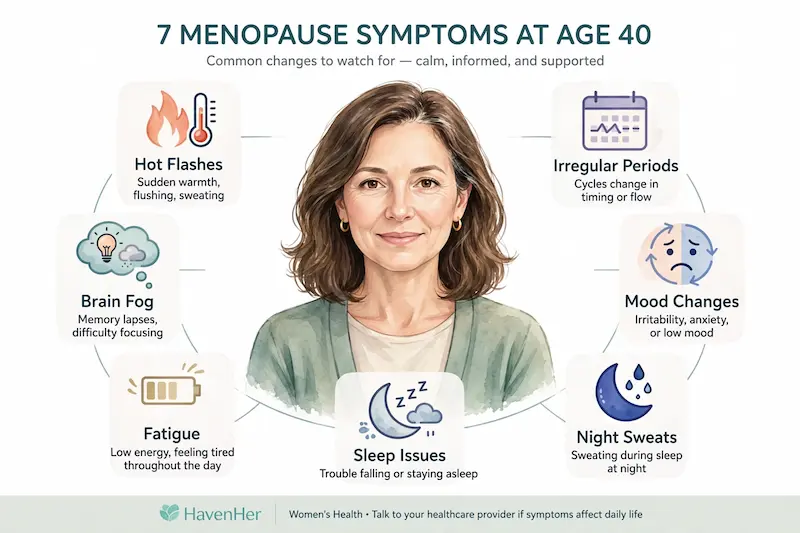
Below are the 7 most common menopause symptoms at age 40 that women notice during early perimenopause. If you are experiencing two or more of these, it is very likely your body is beginning its natural transition.
1. Irregular Periods Are Often The First Menopause Symptom at Age 40
Irregular periods at 40 are often the very first sign that your hormones are shifting and one of the earliest menopause symptoms at age 40. Your period might arrive weeks early, skip a month entirely, or become unexpectedly heavy or light. These unpredictable changes happen because ovulation is becoming irregular.
To understand how this fits into the bigger timeline, read our detailed perimenopause symptoms age guide which breaks down each stage year by year.
2. Hot Flashes and Sudden Warmth
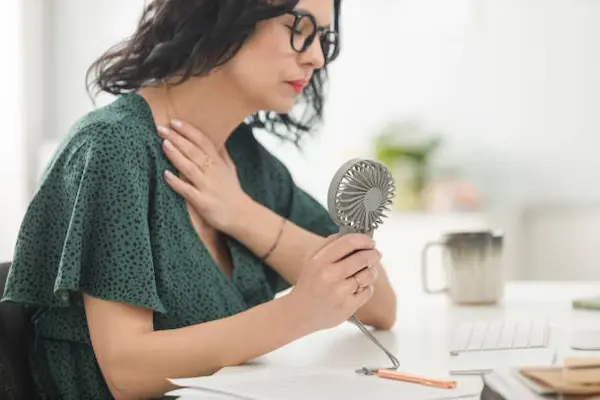
A hot flash is a sudden, intense sensation of heat that spreads rapidly across your chest, neck, and face. Hot flashes are one of the most reported menopause symptoms at age 40 and can be very embarrassing at work.
Hot flashes at 40 occur because fluctuating estrogen levels confuse your hypothalamus, which is the part of your brain that acts as your body’s internal thermostat. In fact, sudden hot flashes are often one of the earliest signs listed in any perimenopause symptoms age guide many women notice in their late 30s and early 40s.
3. Night Sweats That Disrupt Your Sleep
Night sweats are simply hot flashes that occur while you are asleep. You might wake up in the middle of the night with your pajamas and bedsheets soaked in perspiration. Night sweats are a very disruptive menopause symptom at age 40 because they directly destroy sleep quality.
4. Mood Swings, Irritability and Anxiety at Age 40
One minute you feel perfectly calm, and the next you are crying over a minor inconvenience or feeling intensely irritated by small things. Mood changes are an emotional menopause symptom at age 40 that is often misunderstood and dismissed as just being stressed.
5. Poor Sleep, Insomnia and 3 AM Waking
Insomnia and poor sleep are incredibly common menopause symptoms at age 40. You might find it difficult to fall asleep at night, or you might wake up at 3:00 AM sharp and struggle to drift back to sleep, even if you did not experience a night sweat. Reclaiming your sleep is possible with the right hormonal and environmental support for menopause symptoms at age 40.
6. Brain Fog, Forgetfulness and Difficulty Concentrating
Do you find yourself walking into a room only to forget why you went in there? This frustrating mental cloudiness is known as brain fog and it is very common. Brain fog is a very real menopause symptom at age 40 and it does not mean you are developing dementia.
7. Vaginal Dryness, Discomfort and Lower Libido
You may notice that intimacy has become uncomfortable or even painful due to dryness and less elasticity. Estrogen maintains the thickness, elasticity, and natural lubrication of your vaginal walls. This intimate change is a common but less talked about menopause symptom at age 40.
What Actually Helps: Evidence-Based Options for Menopause Symptoms at Age 40
Managing menopause symptoms at age 40 does not require a one-size-fits-all approach. Eating a balanced diet rich in calcium and Vitamin D supports your bones as estrogen levels drop. Regular, moderate exercise — especially strength training, brisk walking, and yoga — helps stabilize your mood, keeps your bones strong, and improves your sleep quality at night.
Helpful Products Women Often Consider for Comfort
While you work with your doctor to address your menopause symptoms at age 40, many women find immediate comfort and better sleep by using simple, over-the-counter home products that help regulate body temperature and improve comfort.
- Cooling Pillows: Designed with gel-infused memory foam to keep your head cool through night sweats.
- Cooling Blankets: Lightweight, moisture-wicking, and breathable blankets that keep you comfortable without trapping heat.
- Personal Cooling Fans: Small, portable, quiet fans that you can keep at your desk or bedside table for instant relief.
- Vaginal Moisturizers and Lubricants: Non-hormonal, water-based formulas that restore natural moisture.
- Targeted Menopause Vitamins: Daily supplements containing Magnesium Glycinate for sleep and Calcium and Vitamin D3 for bone health.
If night sweats and hot flashes are disrupting your sleep at 40 or 45, these tools help, but it is important to understand what is normal for your age. See our complete guide to perimenopause symptoms at 35, 40, and 45: what is normal and when to worry for a full age-by-age breakdown.
How Long Do Menopause Symptoms at Age 40 Last?
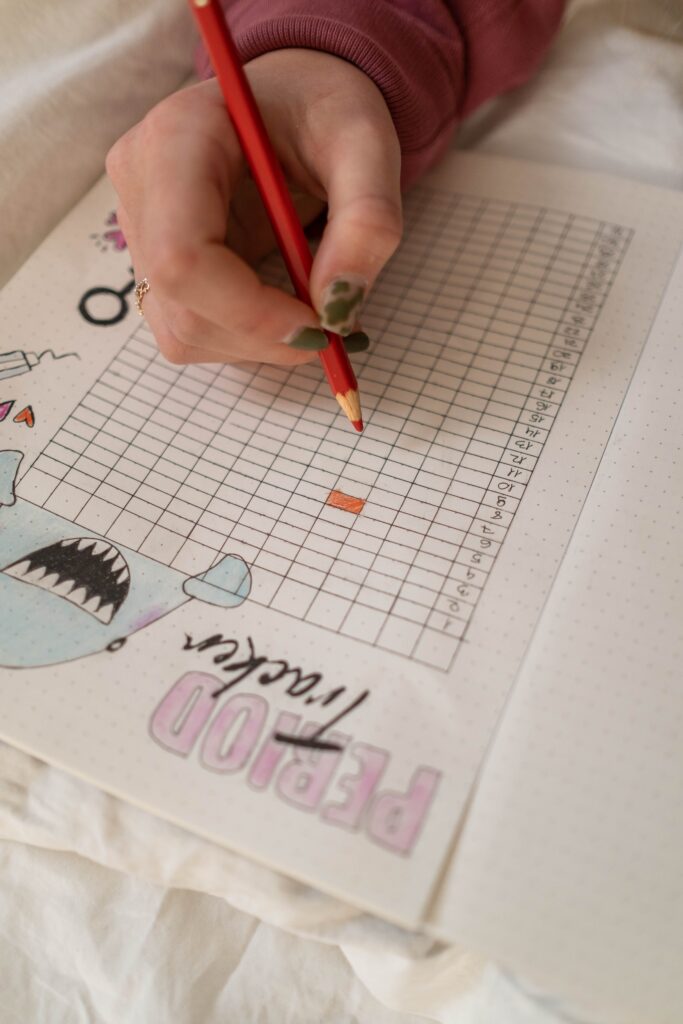
Many women wonder how long these changes will continue. For most women, menopause symptoms at age 40 that begin in perimenopause can last for 4 to 10 years before menopause is officially reached. The duration varies greatly from woman to woman. Some women experience mild irregular periods for a few years, while others deal with persistent hot flashes, night sweats, and mood changes for a longer period. Tracking your symptoms in a journal or an app helps you and your doctor understand your unique pattern of menopause symptoms at age 40 and create a personalized plan for relief and long-term bone and heart health.
When Should You See a Doctor for Menopause Symptoms at Age 40?
While perimenopause is a completely natural life stage, you should never hesitate to schedule an appointment with a gynecologist if your menopause symptoms at age 40 feel overwhelming or start affecting your quality of life.
Conclusion: You Are Not Alone in This Journey
Reaching age 40 is a powerful milestone, but the hormonal shifts of perimenopause can leave you feeling disoriented. Remember: your menopause symptoms at age 40 are real, your feelings are valid, and you do not have to simply tough it out or suffer in silence.
Frequently Asked Questions (FAQs) About Menopause Symptoms at Age 40
Can menopause start at 40?
Yes, menopause can begin in your early 40s for many women. While the average age of menopause is 51, starting perimenopause around age 40 is completely normal and expected.
How do I know if it is menopause or stress?
Stress and perimenopause share many symptoms, including poor sleep and irritability. However, physical symptoms like hot flashes, drenching night sweats, and vaginal dryness are distinct physiological indicators of hormonal shifts and are classic menopause symptoms at age 40.
Can I still get pregnant during perimenopause at 40?
Yes, you can absolutely still get pregnant during perimenopause at age 40. Until you have gone 12 full, consecutive months without a period, pregnancy remains medically possible.
Medical Reviewer: Certified Women’s Health Expert, HavenHer Editorial Team
Email: info@havenher.org
Website: https://havenher.org