
PCOS 101: The Complete Beginner’s Guide to Understanding Polycystic Ovary Syndrome

If you recently left your doctor’s office with a diagnosis of polycystic ovary syndrome, take a slow breath. You might feel a heavy mix of relief that your symptoms finally have a name, paired with fear of what this diagnosis means for your future.
First, know this: you are not broken, and you are not alone. Roughly 1 in 10 women of reproductive age walks this exact road. Yet, the moment you open a search engine, you are hit with extreme diets, horror stories about fertility, and conflicting advice that leaves you more anxious than when you started.
So, what is PCOS? At its core, it is not an ovarian disease or a personal failing. It is a common hormonal and metabolic pattern that influences how your body handles energy, stabilizes blood sugar, and balances reproductive hormones. This PCOS 101 guide gives you clear, calm, evidence-based answers so you can understand your biology and take charge of your wellbeing.
What is PCOS? (Polycystic Ovary Syndrome Explained)
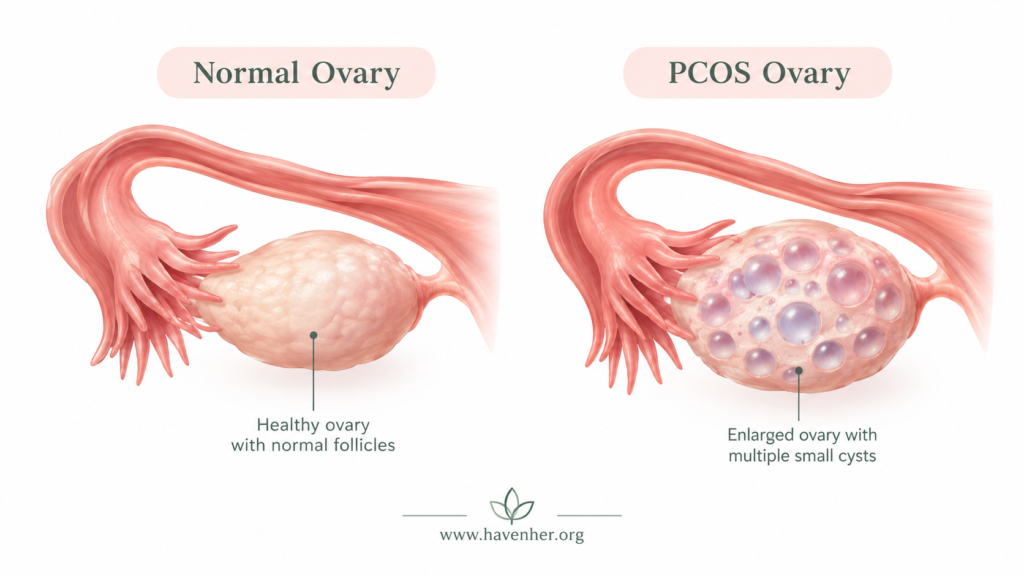
To understand what is PCOS, we have to look past its confusing name. Despite what the words sound like, polycystic ovary syndrome does not mean your ovaries are covered in dangerous cysts that need surgery.
In a typical menstrual cycle, your brain sends messengers called follicle-stimulating hormone (FSH) and luteinizing hormone (LH) to your ovaries. Each month, several small, fluid-filled sacs called follicles start to grow. One follicle becomes dominant, matures, and releases an egg during ovulation.
In a woman with polycystic ovary syndrome, higher levels of insulin and male-pattern hormones called androgens disrupt this signal. Multiple follicles start developing, but none receive the clear chemical cue to mature and release an egg. Ovulation stalls. Those unreleased follicles remain paused in the ovary, looking like a ring of tiny pearls on an ultrasound scan.
When physicians first described this pattern in the 1930s, they mistook these tiny, harmless follicles for cysts. According to the Mayo Clinic, polycystic ovary syndrome is primarily an endocrine and metabolic condition rather than an isolated ovarian illness.
The 2025 Update: PCOS vs PMOS
For years, endocrinologists have pointed out that the name causes unnecessary fear. Many women have the hormonal features without cysts, while others have harmless follicles on scans with perfectly regular periods. A 2025 international consensus in The Lancet recommends shifting toward the name PMOS (Polycystic Metabolic Ovarian Syndrome). When comparing PCOS vs PMOS, the new term highlights the true root: metabolic balance, insulin function, and whole-body vitality.
What Causes PCOS? The Root Causes
One of the first questions young women ask during a consultation is: “Did I cause this by eating sugar or being stressed?”
The answer is an absolute no. You did not cause this. When looking at what causes PCOS, modern research confirms it is a complex, genetically influenced condition. You were born with a biological predisposition, which then interacts with metabolic and environmental triggers.
The true PCOS causes center on three interconnected physiological mechanisms:
1. Insulin Resistance
Insulin is the storage hormone released by your pancreas whenever you eat. Its job is to act like a key, unlocking your muscle and liver cells so glucose can move out of your blood and into your cells for energy.
In roughly 70% to 80% of women with polycystic ovary syndrome, those cellular locks become sluggish. The cells resist the key. Because glucose stays trapped in the bloodstream, your pancreas works overtime, pumping out higher and higher amounts of insulin to force the sugar into cells.
This high circulating insulin creates two significant hormonal consequences:
- It stimulates your ovaries directly, signaling them to produce excess testosterone.
- It lowers a liver protein called Sex Hormone-Binding Globulin (SHBG). When SHBG drops, more free testosterone circulates unchecked in your blood, triggering breakouts, coarse hair, and stalled ovulation.
Learning to support your body’s insulin response is one of the kindest, most effective ways to stabilize your cycle. Simple adjustments, like balancing carbohydrates with healthy fats and lean protein at night, make a measurable difference. If you need simple, family-friendly dinner ideas, explore our guide to PCOS dinner ideas.
2. High Androgens / Hyperandrogenism
Every woman needs androgens, including testosterone and DHEA-S. They maintain bone strength, mental focus, libido, and lean muscle tissue. The challenge arises when androgens rise above physiological targets.
In clinical medicine, this elevation is called hyperandrogenism. It can show up in blood tests (biochemical hyperandrogenism) or through physical signs like stubborn cystic acne along your jawline, excess hair on your chin or chest, and hair thinning at your crown (clinical hyperandrogenism). When androgens run high inside the ovaries, they act like a pause button on your egg follicles, preventing monthly ovulation.
3. Low-Grade Inflammation & Genetics
If your mother, sister, or grandmother dealt with missing periods, adult acne, or type 2 diabetes, you carry a higher genetic chance of developing polycystic ovary syndrome. Multiple genetic markers affect how your cells respond to insulin and how your ovaries synthesize androgens.
Alongside genetics, many women have chronic, low-grade inflammation. This does not mean an infection; it means your immune system is slightly on guard, releasing cytokines that make cells more resistant to insulin and prompt the ovaries to produce more testosterone.
For women living active, sun-drenched lives, like our patient community here in St. Petersburg, Florida, managing daily inflammation comes down to foundational lifestyle habits: drinking plenty of electrolyte-rich water during hot afternoons, prioritizing deep restorative sleep, and choosing colorful, antioxidant-rich whole foods.
7 Common PCOS Symptoms You Shouldn’t Ignore
Because hormones shift throughout your life, PCOS symptoms rarely look identical in any two women. One woman may experience severe cycle irregularity with completely clear skin. Another may have regular monthly bleeding but battle severe facial hair and fatigue. Recognizing the early signs of PCOS allows you to advocate for yourself sooner.
- Irregular or Skipped Periods: The classic sign is irregular periods PCOS cycles that stretch longer than 35 days (oligomenorrhea), or periods that stop completely for several months (amenorrhea). When bleeding does arrive, it may alternate between light spotting and heavy flow caused by built-up uterine lining.
- Unexplained Weight Changes: Stubborn PCOS weight gain, especially around the lower abdomen, is linked to insulin resistance. When insulin is consistently high, your body stays in energy-storage mode, making weight management feel frustrating even when you eat balanced portions.
- Excess Facial and Body Hair (Hirsutism): Elevated free testosterone can cause delicate peach fuzz to transform into dark, coarse terminal hairs on your chin, upper lip, neck, chest, or stomach.
- Deep Hormonal Acne: Unlike surface teen breakouts, PCOS acne and hirsutism stem from internal androgens stimulating excess oil in your pores. These blemishes usually appear as tender, painful cysts along the jawline, chin, and upper back that resist typical drugstore face washes.
- Scalp Hair Thinning (Androgenic Alopecia): While androgens can encourage hair growth on your face, they do the opposite on your scalp. High dihydrotestosterone (DHT) can miniaturize hair follicles at the crown and parting line, leading to diffuse thinning.
- Darkened Skin Patches (Acanthosis Nigricans): Velvety, darkened areas of skin in creases like the back of your neck, armpits, or groin are not dirt. They are a visible, dermatological sign that your circulating insulin is running high.
- Afternoon Energy Crashes: Feeling exhausted despite sleeping eight hours, or feeling a heavy slump an hour after eating, are recognized early symptoms of PCOS driven by rapid blood sugar swings.
Starting your morning with stable fuel rather than coffee on an empty stomach helps prevent these afternoon energy crashes. You can read our doctor-approved breakfast guide on the best breakfast for PCOS.
How is PCOS Diagnosed? The Rotterdam Criteria Explained
There is no single blood test that says “yes” or “no” to polycystic ovary syndrome. Because of this, many women spend months visiting different clinics before getting clear answers. Understanding how is PCOS diagnosed helps you know exactly what lab tests to request.
Worldwide, gynecologists and endocrinologists rely on the Rotterdam criteria PCOS consensus, reinforced by the 2023 International Evidence-Based Guideline for PCOS. Under this standard, you must meet at least two of the following three features, while ruling out other endocrine disorders like thyroid conditions or elevated prolactin:
Criterion 1
Ovulatory Dysfunction: Cycles that are absent, unpredictable, or longer than 35 days apart.
Criterion 2
Hyperandrogenism: High androgens confirmed via lab work, or visible signs like acne, hair thinning, and hirsutism.
Criterion 3
Polycystic Ovaries: Ultrasound showing 20+ small follicles per ovary or an ovarian volume greater than 10ml.
Notice that an ultrasound scan alone does not diagnose the condition. The Office on Women’s Health points out that many healthy young women have multi-follicular ovaries as a normal variant of ovarian development. Your clinical history and comprehensive blood work are equally important.
| Lab Test | What It Measures | Why It Matters for Your Diagnosis |
|---|---|---|
| Total & Free Testosterone | Circulating male-pattern hormones | Confirms biochemical hyperandrogenism |
| Fasting Insulin & Glucose | Cellular sugar management | Catches early insulin resistance before HbA1c rises |
| DHEA-S | Adrenal gland androgen | Identifies stress- or adrenal-driven androgen patterns |
| TSH & Free T4 | Thyroid function | Rules out hypothyroidism, which mimics PCOS symptoms |
| Lipid Panel | Triglycerides, HDL, and LDL | Provides a baseline check on cardiovascular wellness |
The 4 Types of PCOS
Have you ever wondered why two women with the same diagnosis can feel completely different? It is because polycystic ovary syndrome is driven by different primary pathways. Clinicians commonly look at four distinct types of PCOS to help match daily care to your individual physiology.
1. Insulin-Resistant PCOS
This is the most common phenotype, representing about 70% of cases. Elevated fasting insulin prompts the ovaries to release excess testosterone and holds back follicle maturation. The main focus here is balancing meals with protein, fiber, and healthy fats, along with gentle walking after meals.
2. Inflammatory PCOS
Here, systemic inflammation is the primary driver. Women often present with normal insulin levels but deal with joint discomfort, unexplained fatigue, digestive sensitivities, and eczema. Daily care focuses on gut health, anti-inflammatory whole foods, and removing personal food triggers.
3. Adrenal PCOS
Roughly 10% of women have normal ovarian testosterone and normal insulin, but show high DHEA-S, an androgen produced by the adrenal glands. This pattern flares under prolonged physical, mental, or emotional strain. The priority here is nervous system regulation, restorative sleep, and moderate, low-impact exercise.
4. Post-Pill PCOS
This presentation occurs when regular periods were present before starting oral contraceptives, but acne, hair loss, and missing cycles appear shortly after stopping. This is often a temporary surge in androgens while your brain and ovaries re-establish their natural feedback loop.
Is PCOS Curable? Long-Term Health Risks
When women ask, “is PCOS curable?”, they are looking for honesty and hope. Medical science does not have a single switch that permanently removes the underlying genetic tendency. In that strict sense, it is not curable.
However, it is highly manageable. Women regularly reverse their symptoms, restore regular monthly ovulation, clear their skin, improve their energy, and build strong, healthy families through comprehensive lifestyle and medical support.
At the same time, managing polycystic ovary syndrome is about more than regular periods. Leaving insulin resistance and hormonal imbalances unaddressed can lead to recognized long-term effects of PCOS:
- Metabolic Health: More than half of women with untreated insulin resistance show impaired glucose tolerance or type 2 diabetes by age 40.
- Endometrial Lining Health: When periods occur fewer than four times a year, the uterine lining can become unusually thick (endometrial hyperplasia). Over decades, this increases the risk of endometrial cancer, which is why gynecologists protect the lining with regular progesterone withdrawal.
- Cardiovascular Wellbeing: Imbalanced lipids (high triglycerides and lower protective HDL) can place extra stress on blood vessels over time.
- Fertility Questions: A natural worry is: can PCOS cause infertility? Irregular or absent ovulation is a leading cause of ovulatory subfertility, but it does not mean permanent sterility. With ovulation tracking, insulin-sensitizing habits, and safe medications like letrozole when appropriate, the vast majority of women with the condition conceive successfully.
To learn more about keeping your blood sugar steady through nutrient-dense meals, take a look at our complete guide on a sustainable PCOS diet plan for weight loss.
What to Do After Diagnosis? First 3 Steps
Walking away from an appointment with a new diagnosis can feel overwhelming. Instead of trying to change everything at once, focus on these three practical, calm steps:
Step 1: Keep Physical Copies of Your Lab Work
Never settle for a generic phone call saying your tests were “fine.” Request a printed or portal copy of your fasting glucose, fasting insulin, free and total testosterone, and DHEA-S. Having your numbers gives you a clear baseline to track your progress over time.
Step 2: Build a Compassionate Care Team
If a clinician tells you to “just go on birth control and come back when you want a baby,” you are allowed to seek a second opinion. Look for a gynecologist, endocrinologist, or registered dietitian who listens to your lived experience and treats you as a whole person.
Step 3: Nourish Instead of Restricting
Extreme crash diets spike your stress hormone cortisol and can worsen your hormonal balance. Instead of cutting food groups, focus on what you can add: colorful vegetables, healthy fats like olive oil and avocados, and quality protein.
For a deeper dive into the relationship between cellular metabolism and your cycle, read our in-depth resource on PCOS and insulin resistance.
Frequently Asked Questions
What is PCOS in simple terms?
Polycystic ovary syndrome is a common hormonal and metabolic condition. In simple terms, it causes an imbalance in reproductive hormones and alters how your body processes energy from food. This imbalance can lead to irregular periods, elevated male-pattern hormones, and difficulty releasing eggs regularly from the ovaries.
What are the first signs of PCOS?
The earliest signs often include irregular or skipped menstrual periods, stubborn cystic acne along the lower jawline, unexplainable weight gain around the abdomen, and unusual fatigue after meals. Some women also notice darker hairs appearing on their chin, chest, or stomach during their early twenties.
How do doctors diagnose PCOS?
Doctors diagnose the condition using the Rotterdam criteria. You must meet at least two of three markers: irregular or absent ovulation, physical or blood signs of high androgens, and multiple small follicles visible on an ovarian ultrasound scan. Other conditions like thyroid disorders must be ruled out first.
What causes PCOS to develop?
Polycystic ovary syndrome develops through a combination of genetic traits and environmental factors. Its main biological drivers are insulin resistance (where cells do not respond properly to insulin), low-grade systemic inflammation, and excess androgen production by the ovaries and adrenal glands. It is not caused by personal lifestyle choices.
Can you get pregnant with PCOS?
Yes, you can get pregnant with the condition. While irregular or absent ovulation can make conceiving take longer, polycystic ovary syndrome is not permanent sterility. Lifestyle adjustments, ovulation tracking, insulin-sensitizing approaches, and standard fertility medications like letrozole help many women achieve healthy pregnancies.
Is PCOS now called PMOS?
Medical consensus papers, including a 2025 update in The Lancet, support shifting toward the name PMOS (Polycystic Metabolic Ovarian Syndrome). This proposed update highlights that the condition is systemic and metabolic, rather than just an ovarian issue, helping reduce confusion around ovarian cysts and improving patient care.
The Path Forward
Receiving a diagnosis can feel heavy, but it is also an opportunity. You now have a name for what your body has been experiencing, and you have tools to support your health.
Take it one day at a time. Nourish your cells, honor your rest, and trust that with the right clinical guidance, your body can find its balance again.
This article is for educational purposes and not medical advice. Polycystic ovary syndrome presents uniquely in every woman. Always consult your personal physician, gynecologist, or endocrinologist before making changes to your health regimen, medications, or nutrition plan.